
The answer in brief
Stay in Coco for morning dives and evenings around the bay.
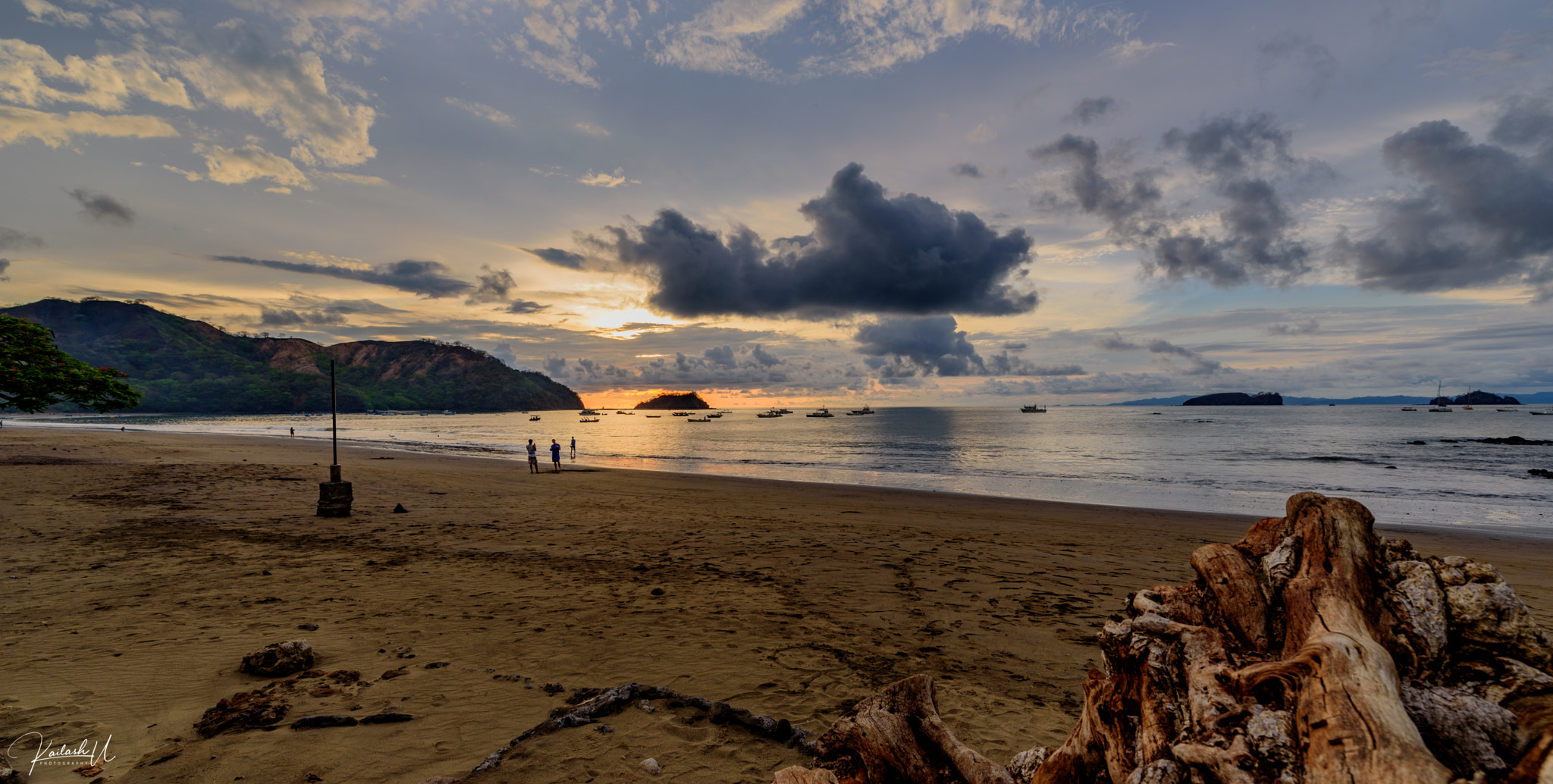
A central stay puts dive shops, restaurants, supermarkets and the bay close together, and most local Papagayo sites are a short boat ride away. Coco is practical and sociable rather than secluded. The beach is dark sand, boats occupy the bay, nightlife can be loud, and a surf day requires a separate journey.
Coco brings diving and everyday town life together: dive centres and fishing businesses share the coast with restaurants, shops and the bayfront promenade. You can spend the morning out on the water and leave the evening for a walk and dinner near the beach. Three or four nights is enough for a local dive day and an unhurried town or inland day. Stay longer if you want several local dive days or a season-dependent offshore trip.
01
Who will enjoy Playas del Coco
A good match
Divers who want an easy base
Several shops operate in town, local boats leave in the morning, and restaurants and supermarkets make the hours after diving simple. A non-diving companion still has beach, boat and inland options.
Think twice
Surf-first or quiet-beach trips
Coco Beach is not a conventional surf break. Recent travellers also divide sharply on the busy town, vendors and water appearance. Choose Tamarindo for beginner lessons within walking distance of town, or compare nearby Playa Hermosa and Ocotal if the beach itself matters more than town convenience.
Fishing businesses, local families, Costa Rican visitors and foreign residents all share Coco’s streets. You’ll find everyday shops alongside dive centres and bars, with English widely used in tourism businesses. Staying here means being part of a busy town.
02
Where to stay in Playas del Coco
Downtown around Route 151 gives the shortest restaurant, supermarket and dive-shop walks, with the most traffic and nightlife. The beachfront roads east and west of the central park feel less commercial but still put the bay close. Las Palmas has many low-rise rentals near the eastern beach; Pacifico has larger gated condo facilities inland, with a longer beach walk. Hillside villas trade walkability for space and views.
Simple and directly by the bay
Hotel M&M Beach House
A small beachfront stay with breakfast and an upstairs terrace. Recent guests consistently value the location and staff. Rooms vary: some reports describe heat, basic space or no hot water, so choose the exact room type rather than relying on the hotel-wide amenity list.
Garden calm near the centre
La Puerta del Sol
A pool and tropical courtyard a few blocks from the water, useful for travellers who want an easy retreat between town meals. Recent guests often praise the rooms and staff. Ask about gate access if a very early dive check-in or late return matters.
Pool, restaurant and evening activity
The Palms at Coco Beach
Near the beach and football field, with air-conditioned rooms, a courtyard pool and restaurant. It suits travellers who like entertainment on site. Recent reports repeatedly mention small or dated rooms and noise, so confirm the room category and location before paying.
Choose a central room if you want to walk to meals and dive check-in; a hillside stay makes more sense with transport arranged. Check the actual walking route before booking, especially if you will be carrying dive gear.
03
Arriving and getting around
Guanacaste Airport is close, but the public-bus connection is not door to door. Coco is about 27 kilometres from LIR and commonly described as a 30-minute drive. The airport says the Coco bus stays on Route 21, outside the terminal, so a taxi or prearranged transfer is the simpler arrival after a flight.
ICT lists an hourly Liberia–Coco service from 05:00–19:00 with a journey of about one hour, and direct San José–Coco buses at 08:00, 14:00 and 16:00 with a five-hour estimate. Check Pulmitan on the travel day; a published timetable cannot account for traffic, holidays or an airport connection.
Central Coco works on foot for ordinary meals, shopping and many dive check-ins. Golf carts and taxis expand the range but are not necessary for every stay. Playa Hermosa, Playa Panamá and Ocotal are separate beaches; do not book one of them assuming it is another Coco neighbourhood.
04
Diving in the Gulf of Papagayo
With local dive sites just 10 to 20 minutes from the beach, you spend less time on the boat and more of your day enjoying the water. Both Deep Blue and Summer Salt Dive Center run morning departures that have you back ashore around midday, leaving the afternoon free for lunch and time around the bay. Arrange the earlier shop check-in and gear fitting separately.
The local sites offer different depths and conditions. Some routes suit less experienced divers; others require advanced training and experience. Tell the dive team what certification you hold, how much diving you’ve done and when you last went. They can talk you through the sites that fit your experience. If you have never dived, ask about an introductory programme; the boat-trip prices below are for certified divers.
The volcanic seabed is part of the attraction: rock formations, sand and schools of fish, with possible rays, turtles, morays or reef sharks along the way.
Local site descriptions give a sense of the variety across more than twenty spots in the bay: Tortuga has a sunken fishing boat beside rock walls and sandy channels; Punta Argentina, Virador and Monkey Head have rocky ridges extending into deeper water. Summer Salt notes that average visibility runs from 5 to 15 metres—modest compared to Caribbean reef clarity, but the natural trade-off for nutrient-rich Pacific water that attracts rays, turtles, white-tip reef sharks and schooling fish. Current can affect any outing, and the guide must match the day’s plan to the group.

05
Longer dive trips: Catalina and the Bat Islands
A longer trip to look for mantas
Catalina Islands
A longer boat outing gives you a chance to explore the offshore islands. Operators like Deep Blue and Summer Salt run trips out to the Catalinas, with December–April described as the peak manta window. Encounters are not guaranteed. Ask which sites fit your certification and recent experience before choosing the trip.
Remote advanced trip
Bat Islands / Murciélago
The Bat Islands are a more remote choice for experienced divers, with strong current and deeper sites to consider. Deep Blue advertises a three-dive trip with at least four divers, while Summer Salt also runs dedicated Bat trips in season. Schedules usually centre around May to October, but operators can differ on exact start and end dates. Newly certified divers should discuss suitable local sites instead.
The offers below are from Deep Blue. They are examples of available trip formats, not a ranking of Coco’s dive shops. Confirm the full day’s timetable, equipment and experience requirements before committing to an offshore outing.
06
Surfing means leaving Coco Beach
Coco’s sheltered bay is not a conventional wave-surfing beach. A beginner normally travels to Tamarindo or Playa Grande for a lesson. Allow about 1 hour 15 minutes each way by car to Tamarindo, before stops or traffic delays. That turns a two-hour lesson into most of a day once pickup, traffic, changing and the return are included.
Native’s Way has advertised Coco/Hermosa pickup for Tamarindo lessons, while Coco-based Guana Adventures advertises lessons at Tamarindo or Playa Grande but excludes transport. Before booking, confirm the lesson beach, pickup and return times, and whether the price covers transport both ways. Witch’s Rock boat surfing is a trip for intermediate or advanced surfers, rather than a first lesson.
If surfing matters as much as diving, compare Tamarindo before accepting this transfer. Coco makes more sense when the surfer is happy with one planned outing and the diver wants several short local mornings.
07
When to go
December to March
Drier land, windier water
Dry beach days and easier inland travel are more likely. North Pacific winds can make the sea cooler and rougher, and popular weeks bring heavier demand.
May to October
Greener land, changing seas
Rain usually arrives later in the day, with September and October among the wetter months. Local diving continues, and Bat Islands schedules depend on the operator.
April and November are transition months on the Pacific coast, so allow some flexibility for outdoor days. Local dive trips run year-round. Water temperature can vary considerably, so ask your dive shop about recent conditions and a suitable wetsuit before packing. Visibility and wildlife can change from one day to the next.
08
Where to eat in Playas del Coco
Breakfast or casado by the beach
Soda La Teresita
Try gallo pinto in the morning or a steak-with-onions casado later in the day. It is an unfussy soda across from the public beach. Recent diners often like the local food and value, and the location is easy to combine with a walk along the bay.
Fresh-catch dinner
Restaurante Mar Azul
Choose a whole fish from the counter and a preparation such as grilled or blackened, or order ceviche, octopus carpaccio or coconut shrimp. The restaurant has air-conditioned indoor tables and a garden patio. Budget more for a seafood dinner here than for a simple soda meal.
A change from seafood
Santorini
Greek salad, souvlaki and baklava on the main street work well when a group wants familiar vegetarian and meat choices. Recent diners often praise the portions and atmosphere.
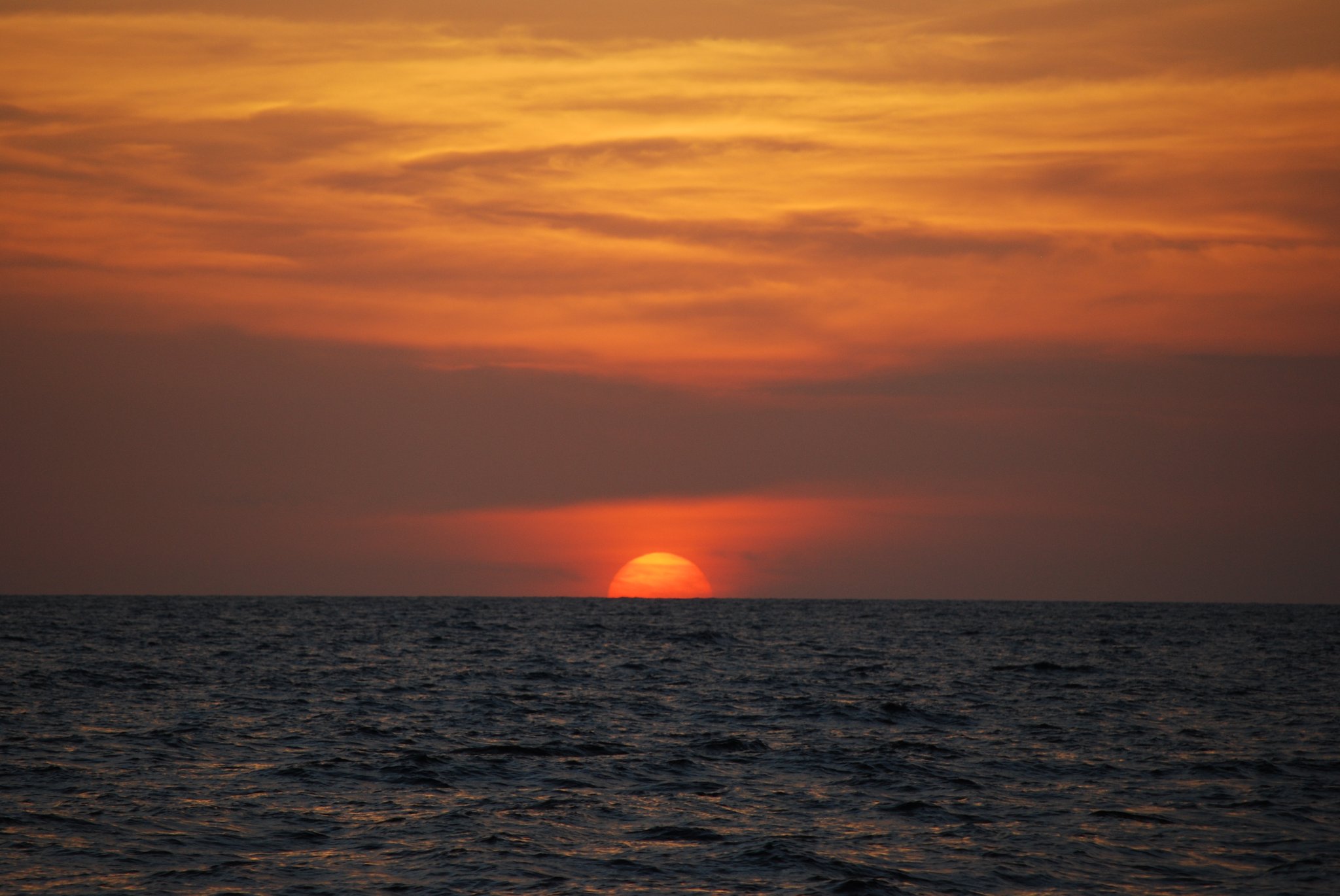
Coco’s range—from sodas to Indian, Italian, seafood and sports bars—is part of its appeal. Keep one evening open for the sunset instead of crossing town for a reservation every night.

09
Beyond the water
Easy morning in town
The promenade, park and Sunday market
Walk the bay while the fishing and tour boats are active, then return for sunset. A small Sunday market has recently run near La Puerta del Sol; verify the day and hours locally. It’s a pleasant way to leave a morning unhurried.
Adventure-park half or full day
Diamante Eco Adventure Park
Roughly 18–19 kilometres, or about 25–30 driving minutes, south of Coco. The park combines ziplines, an animal sanctuary and paid activity passes. Ask what the current pass includes, check age/weight restrictions and prearrange the return; recent visitors note that ride-hailing from the park can take time.
Full volcanic day
Rincón de la Vieja, Las Pailas
The three-kilometre loop passes fumaroles, hot-water and mud features through dry and wetter forest. SINAC currently lists Tuesday–Sunday 08:00–15:00 hours, online-only entry and US$16.95 for a non-resident adult. Allow roughly 1½ hours each way by car from Coco to the Las Pailas entrance via Liberia and Curubandé, plus stops and delays. The final approach includes gravel; check road and trail conditions before leaving. If you are also diving, plan the mountain excursion with your dive operator: ascending to altitude too soon after a dive increases decompression risk.
10
What to budget for
Deep Blue’s two-dive Papagayo offer; rental equipment extra.
Deep Blue’s two-dive offer, minimum three divers; rental equipment extra.
Deep Blue’s three-dive offer, minimum four divers; US$17 park fee and rental equipment extra.
Mar Azul menu examples recorded in September 2026: ceviche, fish-and-chips, octopus and a lobster sandwich.
Deep Blue’s listed prices exclude 13% tax and rental equipment. Allow separately for your room, airport transfers and meals. The hotel examples above describe setting and facilities; we do not have comparable room quotes for the same dates. Amounts marked ₡ are Costa Rican colones.
11
What to ask before booking
- What is the total for our date, including equipment, tax, park fees and any required insurance?
- What happens if sea conditions or group size prevent our trip from running?
- Can you confirm the check-in, boarding point and return arrangements?
Know the difference
Coco, Catalina, the Bat Islands and Cocos Island are not the same place.
Playas del Coco is the town and accommodation base. Local Papagayo sites are reached on short boat trips from town. Catalina and the Bat Islands are longer offshore trips with separate seasons and requirements. Cocos Island National Park is hundreds of kilometres offshore and is not a day trip from this town.
Leave the appropriate interval before flying after your dives; use DAN’s guidance when planning your departure with the dive team.
Sources and updates
Details checked in September 2026 using official information, business websites and attributed visitor accounts. These guides are researched remotely; we have not personally tested the businesses. Confirm changing details before booking.