
The answer in brief
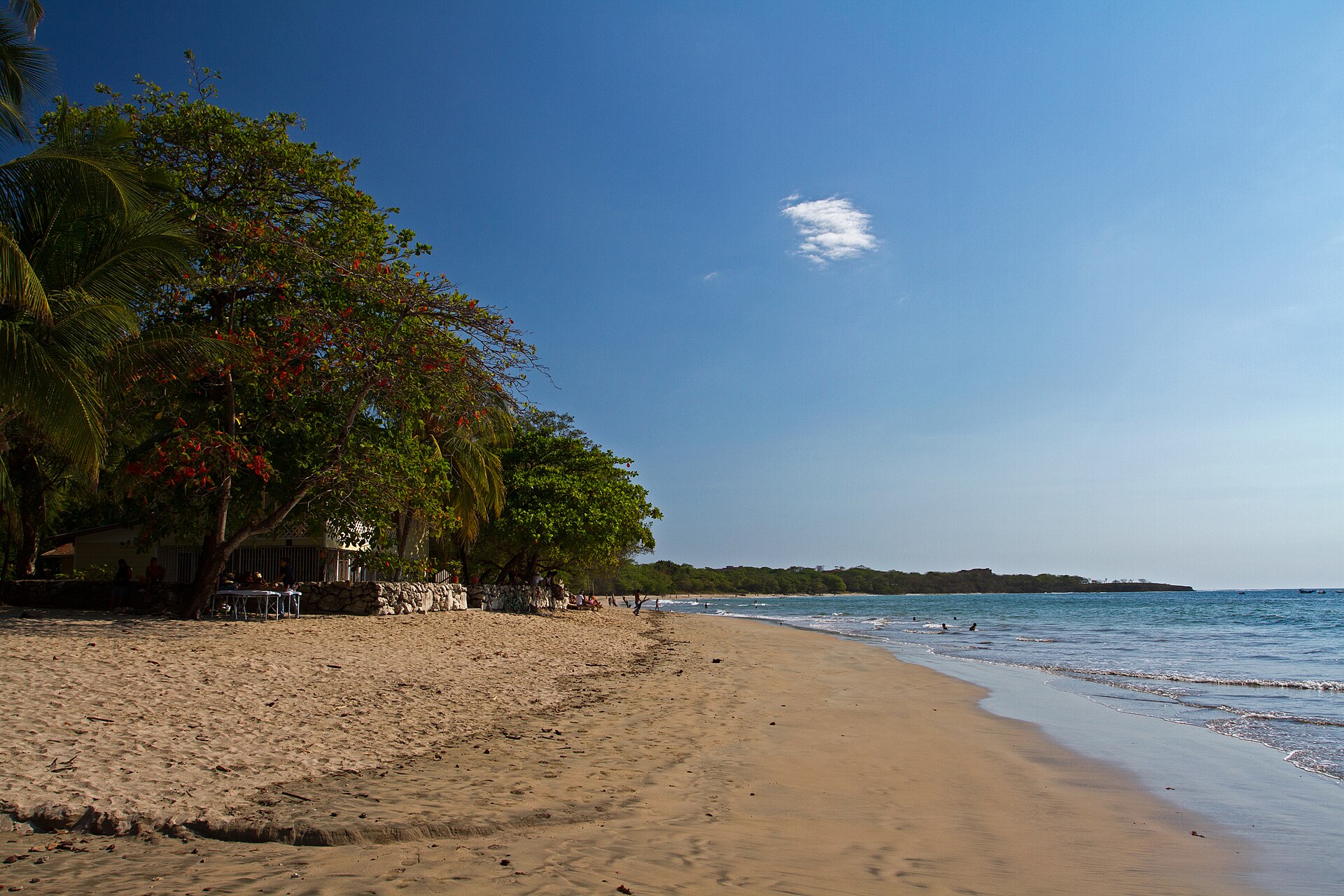
Surf in the morning, then enjoy the rest of Tamarindo.
You can easily walk to surf lessons, restaurants and shops, while certified divers can join an early boat to the Catalina Islands. Allow four or five nights to enjoy both activities without rushing. Staying in the centre puts everything on your doorstep; the southern end offers quieter evenings. Either way, expect a busy beach town with prices to match its popularity.
Tamarindo wakes early for surf lessons and dive charters, then eases into long beach afternoons and lively evenings. That rhythm is easy to enjoy without a rental car. But popularity also brings traffic, vendors, crowds and unpaved side streets, so picking the right part of town matters just as much as choosing your hotel.
01
Where to stay in Tamarindo
Central Tamarindo puts the main beach, surf schools, open-air food courts and nightlife within a short walk. The southern end towards Playa Langosta feels calmer while keeping the centre within walking distance. One detail to check: Playa Grande sits across the estuary and requires a long detour by road, making it a distinct base rather than a northern neighbourhood.
Social and lower-cost
Tamarindo Backpackers
Dorms and private rooms, a shared kitchen and a pool at the edge of town. Guests often like the friendly staff and social feel. Dorm air conditioning is reported to run only overnight, and recurring notes about basic bunks and showers make this best for travellers happy with simple hostel facilities.
Central and flexible
Ten North
One block from the beach, with clean rooms, apartments, a pool and handy kitchen options—ideal for a car-free stay. If you are a light sleeper, ask for a room facing away from the skate park, especially during busy holidays. Breakfast depends on the room rate you choose.
Higher-budget southern retreat
Capitán Suizo
Tropical gardens, a pool and direct beach access at the quieter southern end of the bay. Guests regularly praise the setting and staff. It is the higher-budget option in town, well suited to spending relaxed afternoons on site, though its calmer location does not mean absolute silence.
To get a feel for the budget, we found some dorm beds around US$20 and rooms at Ten North around US$93–135 before tax. Capitán Suizo was considerably more expensive. Those prices were for different dates and room types; compare the full cost for your own nights before choosing.
02
Arriving and getting around
Fly to Liberia when it works for your route. Guanacaste Airport (LIR) is the practical international gateway. Allow well over an hour by road once traffic and stops are considered, and pre-book a transfer if your flight connection leaves little margin.
Public buses run between Liberia and Tamarindo, with some passing near the airport, but timetables are not always reliable for a tight flight connection. Check with Transportes La Pampa or the airport information desk on the day. From San José, the direct bus takes roughly four to five hours, before city traffic and the separate transfer between the airport and bus terminal.
Once in town, most central days work well on foot. Midday heat, tropical downpours, luggage and unpaved roads can make some walking routes less comfortable, particularly after dark. If you stay inland or out towards Langosta, factor taxis into your plans rather than choosing a room on price alone.
03
Learning to surf on Tamarindo Beach
The town beach is the easiest place in the area to arrange a first lesson. Iguana Surf advertises group lessons at US$60 per person, semi-private lessons at US$80 and private lessons at US$100, plus tax, with soft-top boards, rash guards and beachfront coaching included. Its shop faces the beach, keeping the lesson day simple.
Tell your instructor how much surfing you have done. They can choose the stretch of beach and lesson time to fit your experience, taking the tide, swell and crowds into account.
Recent reports from first-time surfers and visiting families highlight the clear land instruction followed by guided white-water practice. As you improve, nearby beaches offer different conditions: Playa Langosta has reef and river-mouth waves that require more experience, while Playa Grande across the estuary is more powerful and consistent, working best as a separate day trip.

04
Diving the Catalina Islands from Tamarindo
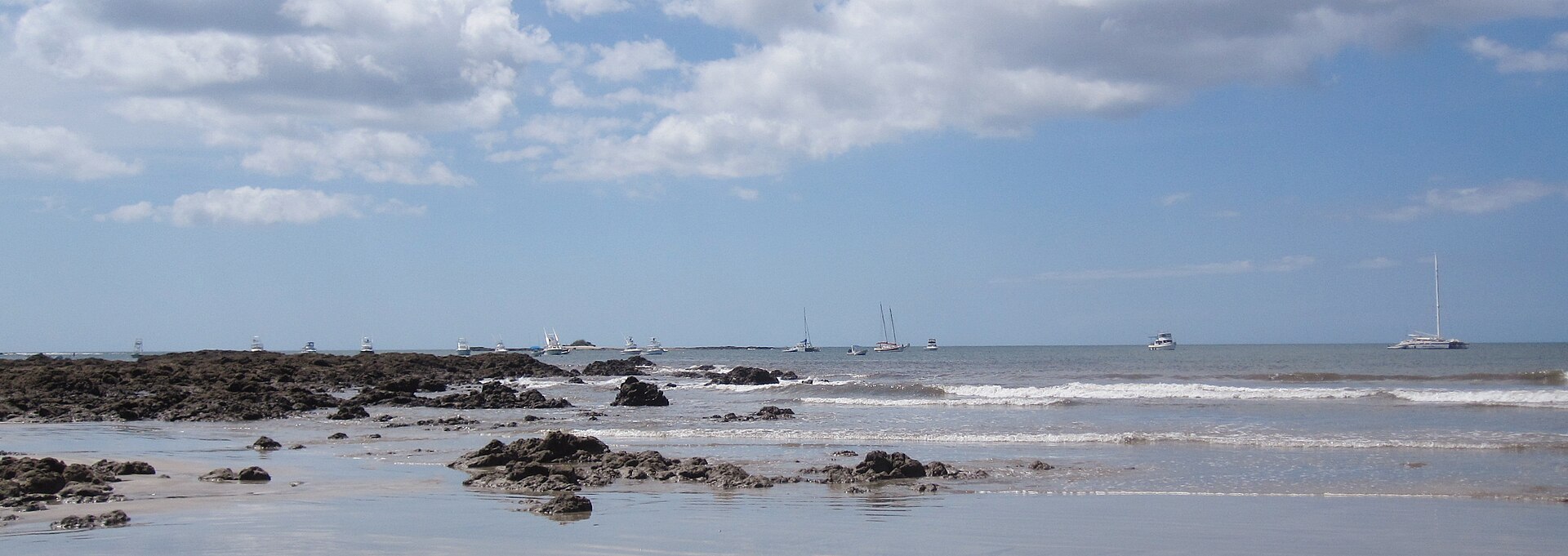
Certified divers can catch a boat to the Catalina Islands directly from Tamarindo. Set aside the morning: you will check in early, get fitted for gear and board from the beach before heading out to the islands.
Diving Nomads advertises a 06:45–12:30 two-dive trip, about 30 minutes by boat, at US$130 plus 13% VAT. Tamarindo Diving advertises a 06:40 meeting time, a 40- to 45-minute boat ride and return around 11:30–12:00 at US$135 plus a 3% fee, with optional Tamarindo or Langosta hotel pickup. Both list gear, guides and refreshments among their inclusions, but check their terms and cancellation rules individually.
The captain and divemaster choose the day’s sites based on sea conditions. The Catalinas feature sites with varying depths, currents and exposure, so an entry-level Open Water card does not suit every spot. When you get in touch, share your certification level, logged dive count and last-dive date. Ask which sites match your experience, whether a tune-up dive would help, how groups are split up and what happens if wind or surge forces a change of plan.
Divers regularly report spotting white-tip reef sharks, eagle rays, stingrays, sea turtles and schools of fish, with manta rays appearing during cooler-water months. Sightings and visibility naturally change from trip to trip. If one person wants to surf and dive, put the activities on separate days so you are not rushing.
05
When to go
Roughly mid-December to late April
Drier and busier
Better odds for dry beach days and easier inland travel, with holiday crowds and higher demand. Dry-season wind can cool dive water.
May to mid-December
Greener with more rain
Most local rain falls from May to November, while Pacific swell can be stronger. November is a transition, not a guarantee.
Choose your travel dates around what matters most to you—sunshine, smaller crowds or green scenery—then let the daily forecast and operator advice guide your water plans once you arrive. Good surf lessons and clear dive days happen in both seasons.
06
Where to eat in Tamarindo
Breakfast or brunch
Waffle Monkey
Crisp sweet and savoury waffles with coffee near the beach, open daily from 07:00–15:00. Save it for a surf morning or brunch, since it opens after the early dive departures. If you need gluten-free food, discuss preparation with the staff.
Different appetites
El Mercadito
An open-air food court with independent counters serving choices like tacos, pizza, burgers, sushi, arepas, cocktails and ice cream. It is handy when everyone in your group wants something different. Expect a relaxed pace at busy times, as each stall prepares food to order.
For a slower sunset dinner, Pangas Beach Club sits right where the estuary meets the sea and focuses on fresh seafood and grilled meats. Make time to enjoy the setting under the trees. Prices are at the high end for Tamarindo, so check the menu and reserve a table ahead of time.
07
Beyond the water
A morning in the mangroves
Tamarindo estuary
Take a two-hour boat trip into the mangrove channels of Las Baulas with a local guide (advertised around US$35 per person, minimum two people). Look for caimans, howler monkeys, iguanas and water birds along the mangrove channels; a guide can help you notice them. (SINAC does not currently permit turtle observation tours here.)
Cultural half-day by road
Guaitil and San Vicente
Chorotega indigenous pottery traditions continue through local families in these neighbouring villages. Allow roughly an hour by car each way to Guaitil. You can visit family workshops or the local Ecomuseum to watch demonstrations and purchase ceramics; confirm opening times before setting out.
Full inland day
Rincón de la Vieja
For a full inland day, the Las Pailas sector features a three-kilometre circular trail passing bubbling mud pools, steam vents and dry forest. SINAC lists hours as Tuesday–Sunday 08:00–15:00, with online-only tickets at US$16.95 for non-resident adults. Allow about 2 hours and 15 minutes to drive each way. If you are diving on your trip, put this mountain outing before your dive days. If that order is impractical, discuss the altitude and an appropriate interval with your dive team using DAN’s guidance.
08
How five days can fit together
Settle in. Explore the streets near your accommodation, walk to the beach and find your surf school.
Choose a surf lesson or a beach morning. Keep the afternoon for the pool or a long lunch.
Dive at Catalina or surf again. Companions can spend the morning differently and meet for lunch.
Take an estuary boat trip together. Choose Guaitil instead when culture appeals more than wildlife.
Keep a choice open. Book another surf lesson or keep the day free in case earlier plans change.
09
What a stay might cost
Selected dorm and central private-room examples; premium beach stays can cost several hundred dollars.
Prices range from group to private lessons.
Advertised Catalina trips with two dives for certified divers.
One advertised two-hour tour, minimum two people.
Plan your flight home around DAN’s guidance on flying after diving. These prices are planning examples, not quotes or a complete daily budget. Budget for your room, airport transfers, meals and the activities you want to book. Check whether tax and service charges are included.
10
What to ask before booking
- What is the full price for our date, including taxes and any required extras?
- What are the cancellation and rescheduling terms if the trip cannot run?
- Can you confirm our meeting point and any hotel pickup and return arrangements?
Sources and updates
Details checked in September 2026 using official information, business websites and attributed visitor accounts. These guides are researched remotely; we have not personally tested the businesses. Confirm changing details before booking.