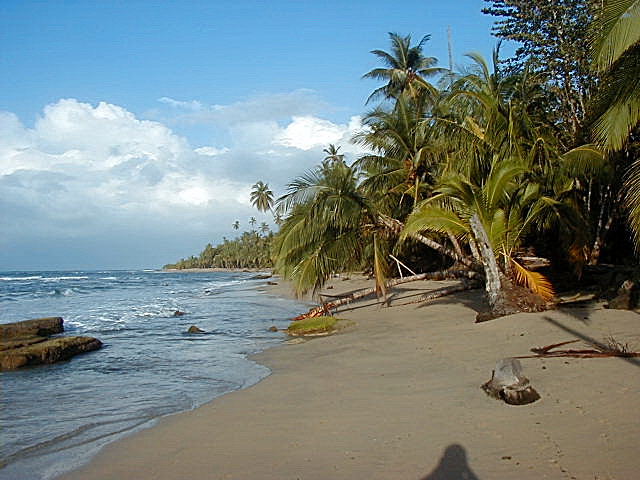

On Costa Rica’s south Caribbean coast, a morning surf lesson at Cocles can lead straight to rice and beans cooked in coconut milk at La Nena. Another day, head north to Cahuita for a coastal forest walk and lunch in the town where Walter Ferguson wrote his calypso classics. Farther south, Punta Uva offers quiet beaches and seasonal scuba diving when sea conditions allow.
Choosing where to base yourself along this coastal road makes a big difference:
- Cocles is the most practical choice if you want to surf most mornings, with beachfront cabins and surf schools close by.
- Puerto Viejo town puts the bus stop, grocery stores, tour desks and evening restaurants within walking distance.
- Punta Uva, roughly 8 kilometres south, is quieter and more spread out, ideal for relaxing by the beach if you don’t mind arranging taxis or cycling into town for dinner.
Distances add up along this coast: hotels often include “Puerto Viejo” in their address even when located several kilometres south of the town centre.
01
Where to stay
Puerto Viejo town: breakfast, buses and dinner on foot
Staying in town puts the MEPE bus terminal, shops, restaurants and waterfront on your doorstep. It works well if you are visiting without a rental car and want to wander out for meals and music. A group of friends with different daytime plans can head out separately and meet again over dinner.
Hotel Pura Vida, opposite the football field, offers a small, family-run stay with a garden near the centre. It is worth considering if you want town convenience and somewhere peaceful to sit outside between outings.
Getting to Cocles for surf lessons takes about 10 minutes by bicycle, local bus or taxi. Choose town for what you want to do in the mornings and evenings, rather than expecting to step straight from your room onto the surf beach.
Cocles: bungalows close to the surf
If surfing is the main focus of your trip, Cocles keeps lessons and morning practice simple. The broad sand beach has local surf schools, while town is a short cycle ride north for a change of dinner spots.
La Costa de Papito has individual bungalows in tropical gardens just across the road from the beach, an on-site surf school and included breakfast. Guest reports repeatedly highlight the gardens, breakfast and easy beach access. It works well for couples or friends with different plans: one person can take a morning lesson while the other relaxes on the beach or in the garden.
Punta Uva: a quieter beach stay
Choose Punta Uva if quiet beach days matter more than walking to town restaurants. awā Beachfront Hotel, near Restaurante Selvin, sits right on the beach with an oceanfront restaurant, bar and breakfast included. The hotel accepts guests aged 14 and over. Keep in mind that heading into Puerto Viejo for dinner means a 15-minute taxi ride or daytime cycle.
02
Surfing at Cocles and Salsa Brava
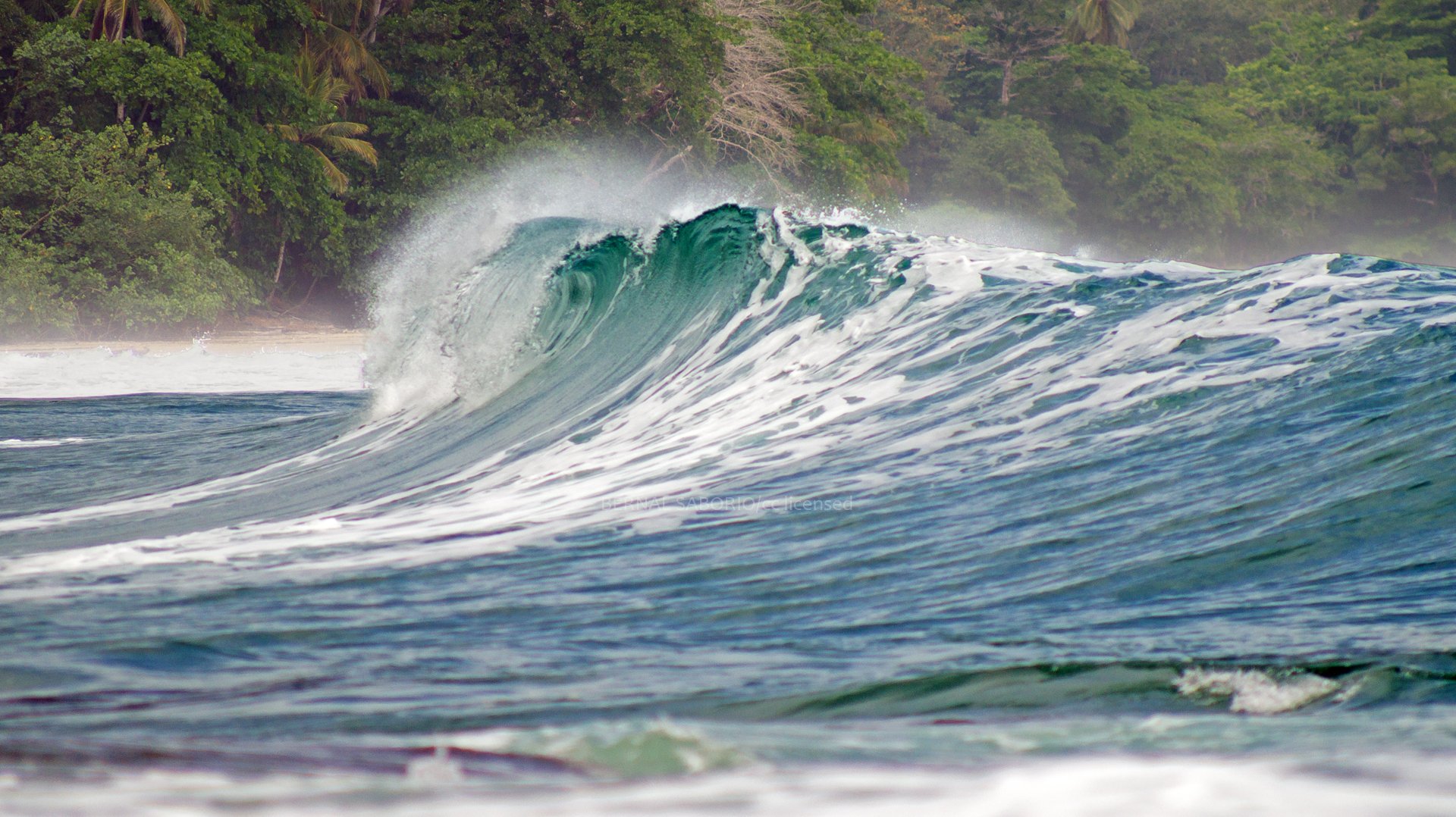
Playa Cocles is the main beach for surf lessons on this coast. While schools teach here daily, it is an open beach break with changing sandbars and strong currents. Take lessons with a qualified instructor who knows the safe zones for the day, and pay attention to beach warning flags.
Blackshack Surf Academy runs lessons tailored to ability, using Cocles, Playa Negra or sheltered spots like Punta Uva depending on conditions. Listed prices are US$55 for 90 minutes and US$60 for two hours, including boards, leashes, a small 3:1 student-to-instructor ratio and local transport. Confirm whether hotel pickup is included when booking.
Leave room for a second surf morning if learning is an important part of your holiday. You can build on the first session without rushing.
Right off the waterfront in Puerto Viejo town lies Salsa Brava, Costa Rica’s most famous Caribbean reef break. It breaks over shallow coral and is strictly for experienced surfers. Beginners should stick to lessons at Cocles or Playa Negra and enjoy watching Salsa Brava from the shore.

03
Planning a dive from Punta Uva
Diving on the Caribbean coast is seasonal and depends heavily on sea conditions, with the calmest, clearest water usually arriving in September and October. Punta Uva Dive Center advertises reef dives, night dives and courses. If diving is essential to your trip, contact the centre before booking accommodation to confirm their operating schedule for your exact dates.
Because details on the website can be dated, ask for written confirmation of what is included (equipment, boat fees, taxes and meeting location) and what their cancellation policy is if weather stops the boat from running. A first-time scuba experience and a trip for certified divers are different bookings.
Remember that Punta Uva is about 8 kilometres south of Puerto Viejo town and 5 to 6 kilometres from Cocles. Confirm where you meet the boat and whether transport from your hotel is included.
If your primary goal is logging lots of dives, compare Playas del Coco on the Pacific coast. On this coast, treat diving as an enjoyable addition to an already great beach trip.
04
A day in Cahuita: coastal forest and calypso history
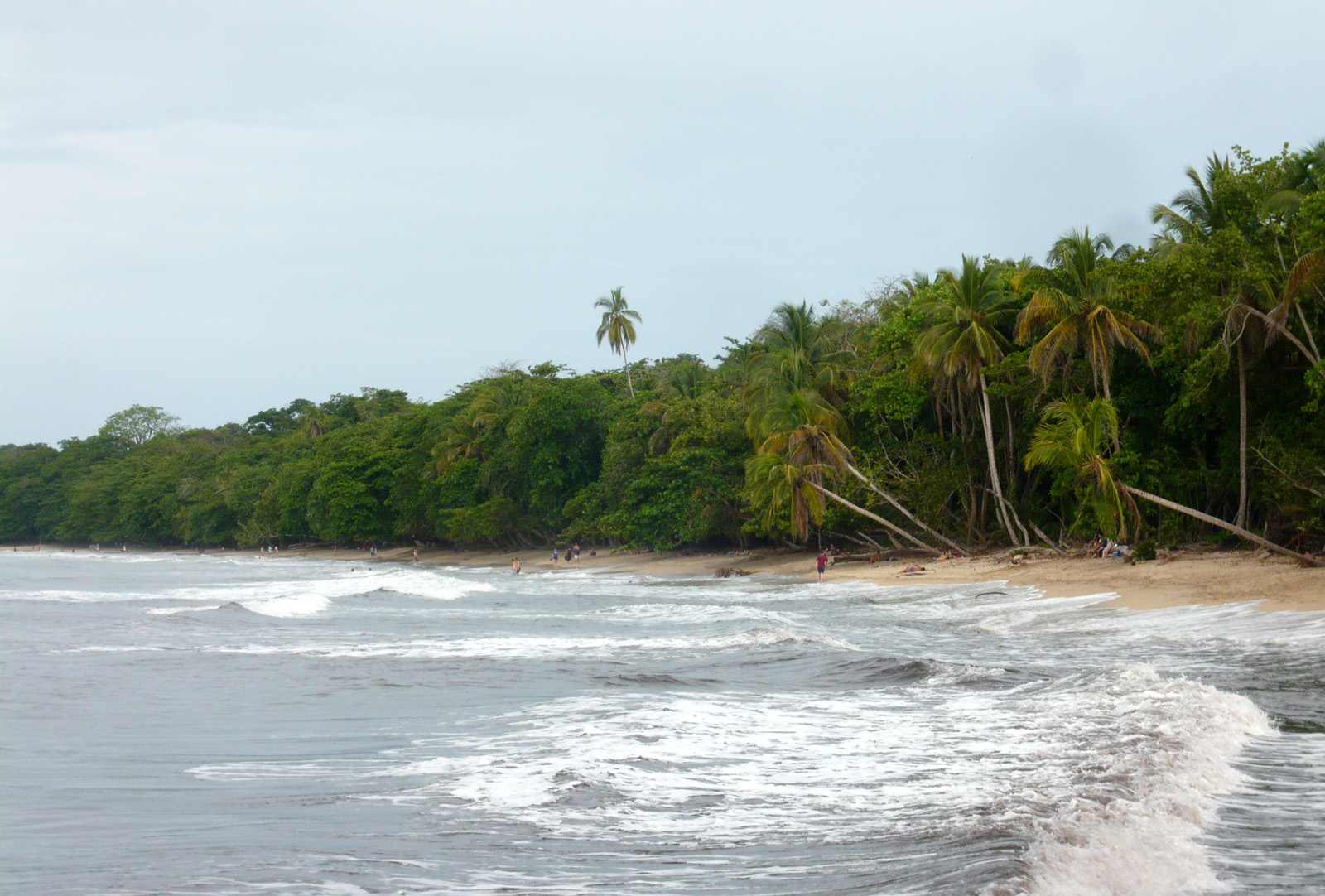
Set aside a full day for Cahuita, about 20 minutes north of Puerto Viejo. The national park’s coastal trail runs right beside sandy beaches and coastal rainforest, with plenty of wildlife and rich local history. The park is managed jointly by the local community and the government, and Cahuita is celebrated as the home of Costa Rican calypso, where Walter Ferguson wrote songs in Limonese Creole English about coastal life.
The Playa Blanca entrance, right by Cahuita village, leads onto the coastal trail (open daily 08:00–16:00, admission by voluntary cash donation). The southern Puerto Vargas entrance has parking and an official non-resident admission of US$5.65 including VAT (card only). Along the shaded trail, look for white-faced monkeys, sloths, iguanas and coastal birds, leaving wildlife space.
To snorkel on Cahuita’s offshore reef, you must go with a registered guide. Cahuita Experience advertises a two-hour boat and snorkelling trip at US$45 plus tax, including equipment, guide and fruit. The park donation is separate. Snorkelling is restricted to designated areas, so arrange the trip with a guide and check sea conditions.
You can enjoy the coastal walk when trails are open even if sea conditions prevent boat snorkelling. Afterwards, stop in Cahuita town for a traditional meal: Coral Reef serves rice and beans cooked in coconut milk with Caribbean sauce at ₡6,500 including tax.

05
Where to eat
Coconut milk, thyme and Panamanian chilli flavour the rice and beans at La Nena in Cocles. Its menu lists a vegetarian plate at ₡5,000, Caribbean chicken at ₡6,500 and shrimp or sea bass at ₡8,500, before tax. After a morning in the surf, you can settle in here for a relaxed lunch or dinner.
In Puerto Viejo centre, Bread & Chocolate serves hearty breakfasts and lunches, baking fresh bread and pastries and making bean-to-bar chocolate. It is an easy stop before exploring town or catching an afternoon bus. Posted hours are Tuesday–Saturday 06:30–18:30 and Sunday 06:30–14:30.
06
Beyond the beach
At Playa Chiquita, Jaguar Rescue Center offers a 90-minute guided visit to its sanctuary. Guides explain the resident animals' stories and the centre's work. Visits run at 09:30 and 11:30, with a listed price of US$29 and free entry for children under ten. Visitors stay with a guide and do not touch or feed the animals.
The centre can be reached by bike, taxi or the Puerto Viejo–Manzanillo bus, which stops on the main road outside. It does not arrange transport. The visit can fit into a morning without taking up the whole day.
For a longer outing, Puerto Viejo-based community non-profit ATEC offers a three-to-five-hour visit to Watsi, in Bribri Indigenous Territory. The programme includes learning about Bribri worldview, medicinal plants and cacao-making, followed by Dos Aguas waterfall. The advertised price is US$85; confirm transport and the day's inclusions with ATEC.
07
When to go
Costa Rica's Caribbean coast has a different rainfall pattern from the Pacific. Visit Costa Rica identifies February–March and September–October as relatively drier periods, though rain still occurs throughout the year. November–January is particularly wet, with another wetter stretch from May–August.
For experienced surfers, Costa Rica’s Tourism Board highlights January–March for the powerful barrel waves at Salsa Brava. That is not a beginner lesson calendar for Cocles: lesson beaches and times still need to match your ability and the daily conditions. Pack for rain even in the relatively drier months.
08
Getting here and getting around
MEPE lists a San José–Puerto Viejo bus fare of ₡6,760. Puerto Viejo Satellite's transport guide estimates about 4½ hours in favourable traffic and road conditions; allow extra time for delays on Route 32. Check the current fare and departures with MEPE before travel.
Local buses connect Cahuita, Puerto Viejo, Cocles, Playa Chiquita, Punta Uva and Manzanillo. Services are limited enough that it is worth checking both the outward and return times. A bus can work for a flexible day out; agree transport separately for a fixed dive check-in.
A basic bicycle is listed locally at around US$5–10 per day. The road south of Puerto Viejo is mostly flat and paved, but shared traffic, potholes and rain affect the ride. Check the brakes and get a lock and lights. Plan cycling for daylight and arrange a taxi or tuk-tuk for a late dinner return.
Taxis and tuk-tuks are other ways to move between the beach areas. Agree the fare before leaving when there is no meter.
09
Costs to help you plan
Budget for your room separately. The stays above range from a small town hotel to garden bungalows and a beachfront hotel, but we do not have comparable quotes for the same nights. Check the total for your room, breakfast and cancellation terms. Amounts marked ₡ are Costa Rican colones.
Advertised or official examples checked 13 September 2026. Prices and operating details can change; confirm the total and inclusions for your dates.
| Item | Example cost | Price notes |
|---|---|---|
| MEPE San José–Puerto Viejo | ₡6,760 | Operator's displayed fare; recheck when buying |
| Basic bicycle | about US$5–10/day | Ask about helmet, lights and delivery |
| Blackshack surf lesson | US$55/90 min; US$60/2 hr | Confirm tax and pickup area |
| Punta Uva scuba | Request a current quote | Ask which trip is available and whether equipment and transport are included |
| Cahuita Experience snorkelling | US$45 + tax | Park contribution separate |
| Cahuita Puerto Vargas entry | US$5.65 non-resident | Includes VAT; Playa Blanca uses a contribution |
| Jaguar Rescue Center | US$29 | Children under ten free; transport separate |
| ATEC Watsi outing | US$85 | Confirm transport and inclusions |
| La Nena rice and beans | ₡5,000–8,500 + tax | Varies with the main ingredient |
10
How to spend five nights
Allow five nights for four full days between arrival and departure. Spend a morning learning at Cocles, take a day for Cahuita and choose between a confirmed Punta Uva dive, another surf lesson and the Watsi outing.
A companion who isn’t diving could visit Jaguar Rescue Center instead. Add a night if you want more activities without losing time for breakfast in Puerto Viejo, dinner in Cocles and an afternoon by the beach. Plan onward flights and mountain travel around your dives with your dive team, using DAN’s post-dive guidance.
Sources and updates
Details checked in September 2026 using official information, business websites and attributed visitor accounts. These guides are researched remotely; we have not personally tested the businesses. Confirm changing details before booking.