

01
One country, several different trips
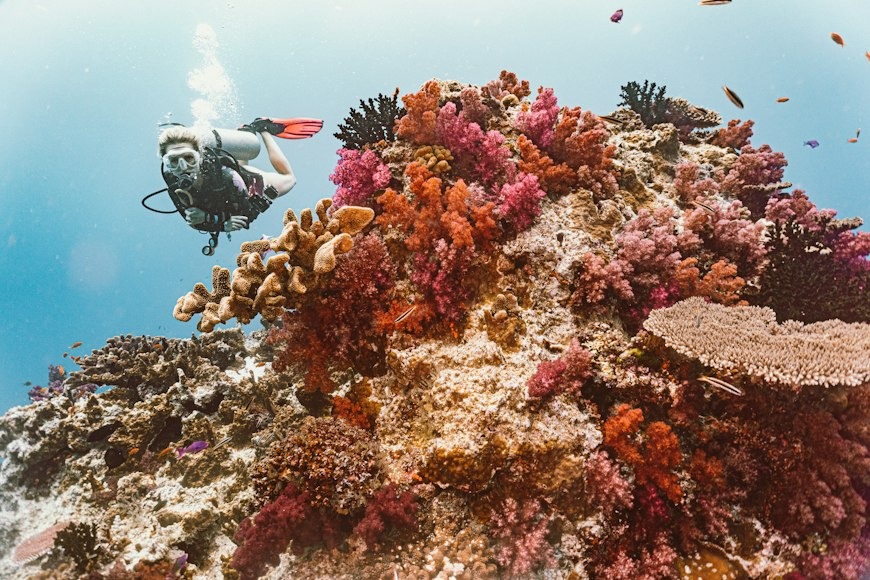
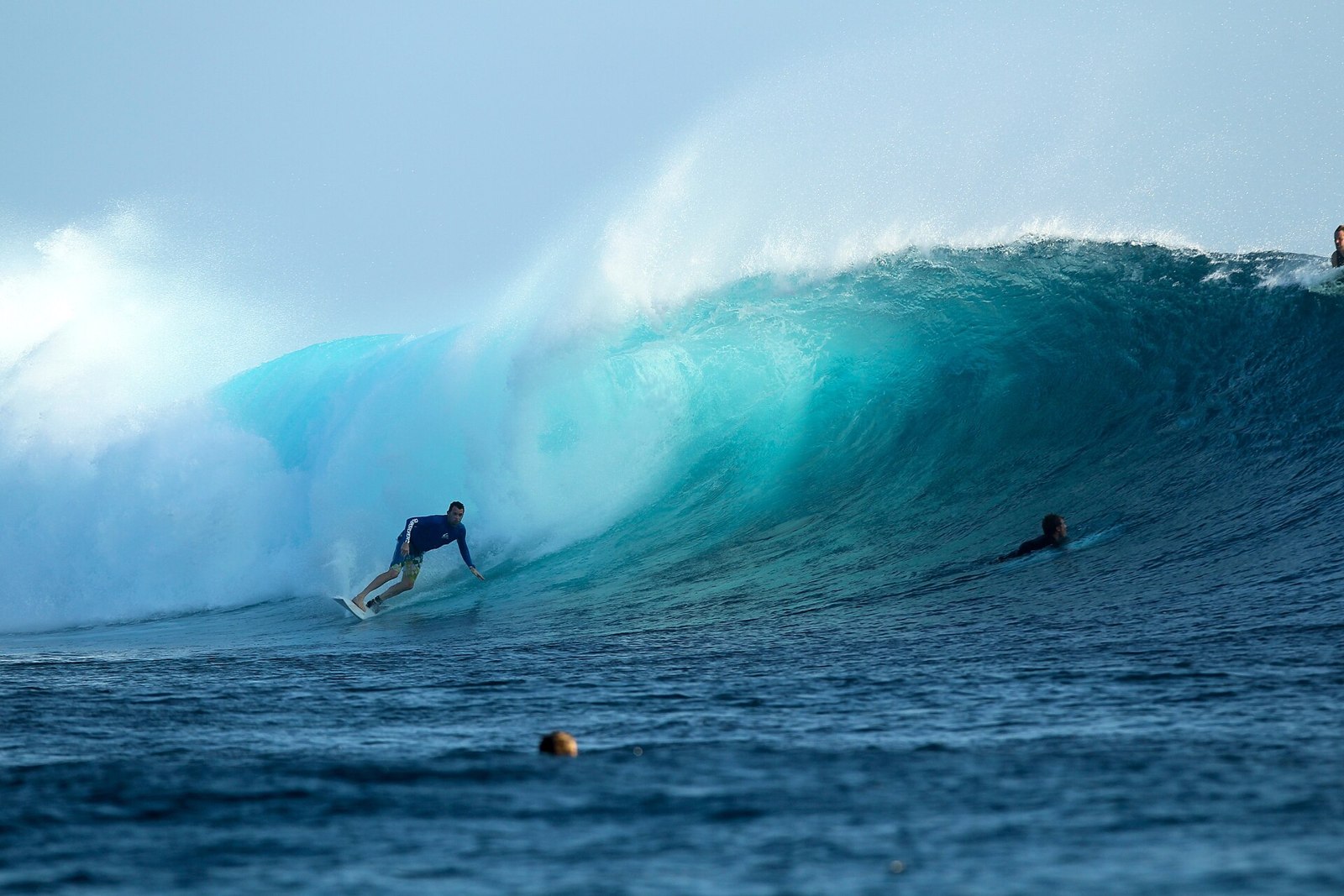
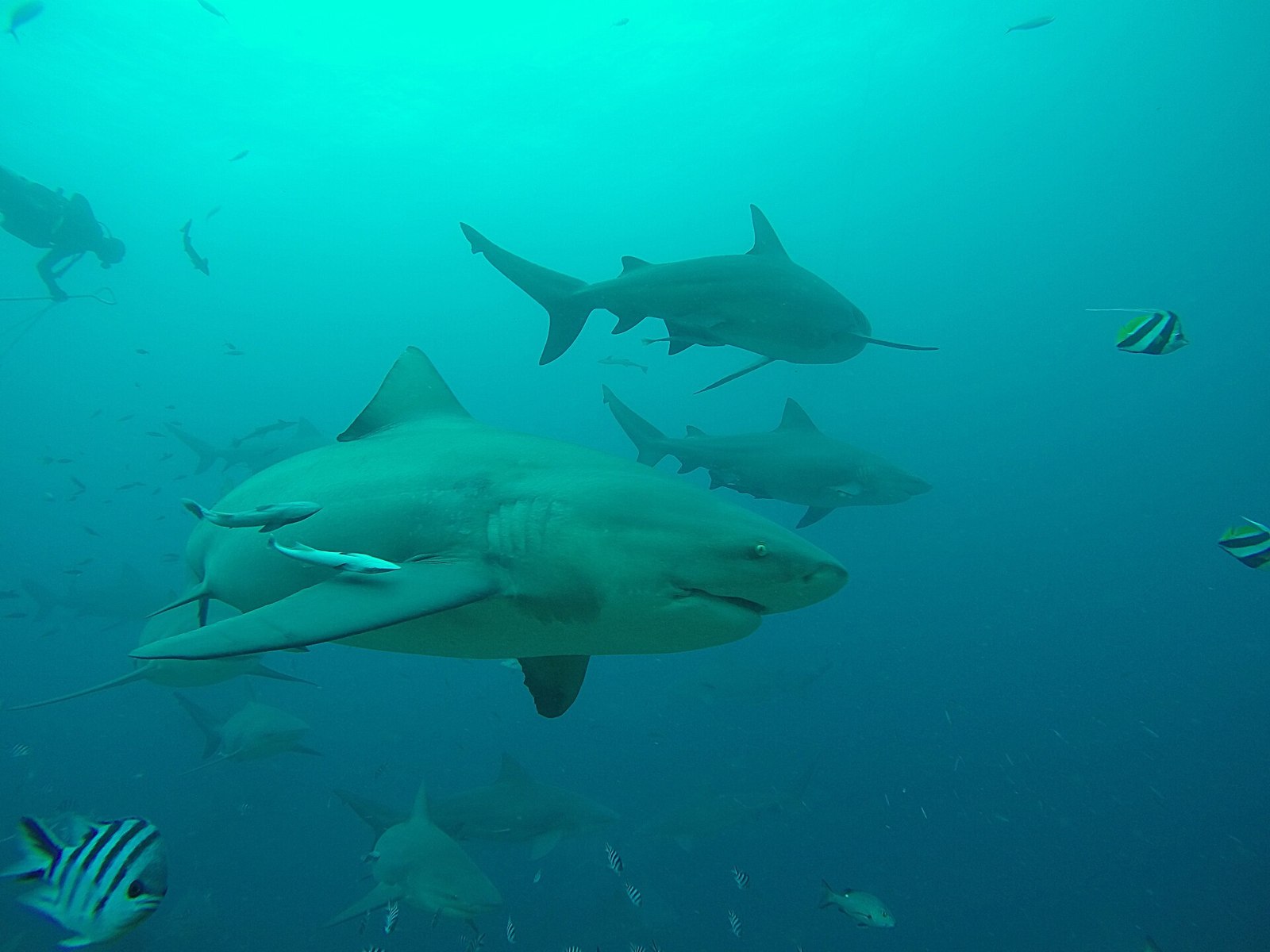
Fiji’s best base depends on what you want to do most. Cloudbreak is off the southern Mamanucas, Rainbow Reef lies in the Somosomo Strait, and the southern Yasawa manta channel is a seasonal snorkelling choice. Putting them all into a short stay means spending a good deal of the trip in transit.
A bure is a Fijian-style hut or bungalow; in a visitor resort it can mean anything from a simple fan-cooled room to a spacious air-conditioned villa. Choose by the actual facilities and location, not the word alone. A room beside a marina, a boat-only retreat and a full-board island resort produce very different days.
Our five guides help you choose the surf boat or dive base alongside the rest of the trip: where you’ll eat, what companions can enjoy and which extras change the bill. Use the suggested stays to leave room for the water and the days ashore.
02
Getting between the islands
Nadi is the main arrival gateway for these itineraries. A road transfer connects it with Port Denarau, where island boats depart. Mamanuca resort boats and the longer Yasawa ferry have their own stops and luggage arrangements. Pacific Harbour is reached by road along southern Viti Levu; a Beqa resort adds a crossing.
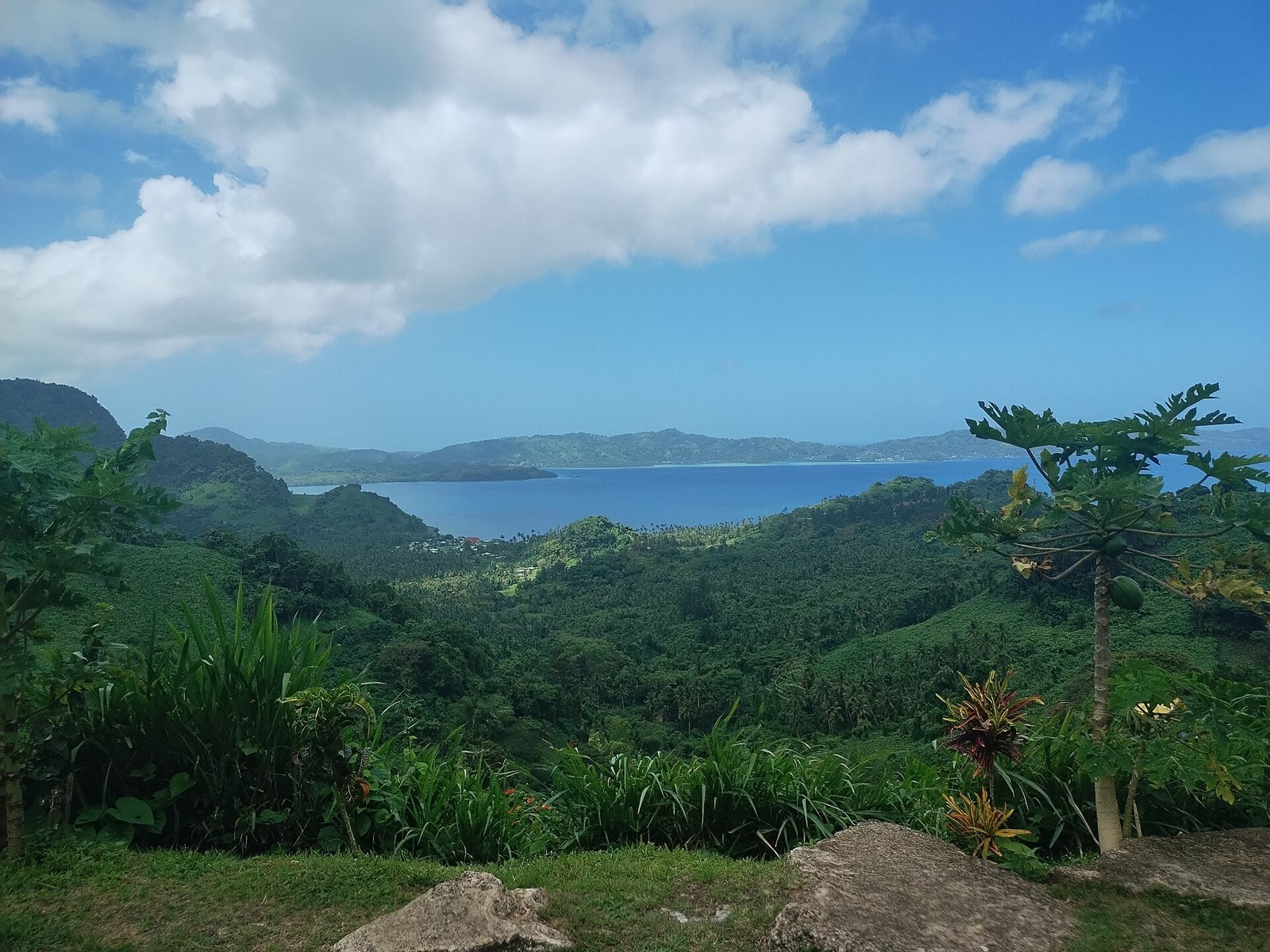
For Taveuni, plan around Matei Airport and your accommodation’s ground or boat transfer. For Savusavu, book the domestic arrival on Vanua Levu. Viani Bay may be reached from either direction through a prearranged taxi-and-boat journey, but it is on Vanua Levu, not Taveuni.
For a week, choose one main base with a transfer night if useful. With more time, add a second region for a different activity rather than changing rooms every other day. Plan weather-sensitive island boats before a spare mainland night, especially when connecting to an international flight. Airline baggage, surfboards and dive equipment need checking against the actual domestic ticket and aircraft.
03
When to go
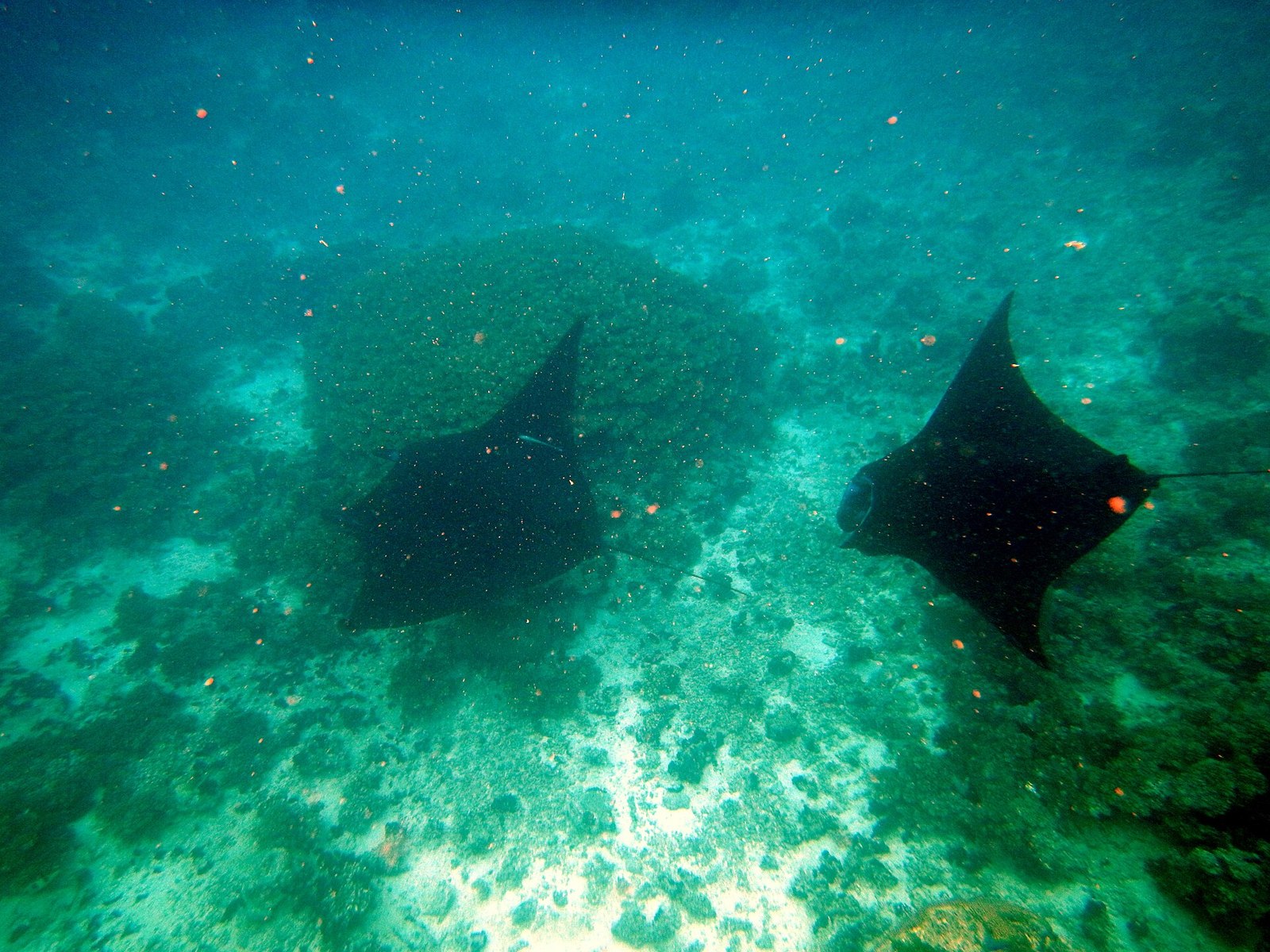
May–October is generally cooler and drier, a useful window for a surf-and-island trip. Southern swells make that a sensible starting point for the Mamanucas, while the southern Yasawa manta season usually overlaps it. Neither the surf nor the wildlife is guaranteed.
November–April is warmer and wetter and covers Fiji’s usual tropical cyclone season. Diving remains available, but rain, runoff and rough seas can alter the plan. Taveuni’s rainforest climate means the drier season still brings wet paths and showers. Check the Fiji Meteorological Service for conditions around your travel dates.
Choose a few possible water days and at least one enjoyable day ashore. That makes a changed boat route or a morning without mantas easier to absorb, and lets companions enjoy the trip without matching every dive or surf session.
04
What a quoted price really includes
Prices in these guides keep the supplier’s currency clear. FJ$ means Fiji dollars; US$ means US dollars. For comparison, October 2, 2026 rates are rounded to US$1 ≈ FJ$2.25. Approximate conversions will differ from the rate and fees on a card or bank transfer.
Ask for the room category and occupancy, meals, taxes, transport, equipment and reserve or fuel charges in one itemised total. Compulsory Yasawa food packages are particularly easy to miss. A multi-night dive package priced per person sharing is not a nightly room price, and a surf boat from Nabila does not automatically include your hotel pickup.
Fiji’s tax changes make older tariffs worth reading carefully. The FRCS tourism-services-tax notice dates the new tax from September 1, 2026. What applies depends on the business and what its quoted price includes, so ask for the final total rather than adding the same percentage to every price.
05
Before you go
Check Fiji Immigration’s entry guidance for your passport and circumstances before booking. Requirements depend on nationality and purpose of travel. Arrange insurance that covers the surfing or diving you intend to do, including any relevant evacuation cover, and discuss your experience with the activity team.
For village visits, take something to cover shoulders and knees, follow your host’s guidance about hats, shoes and introductions, and ask before taking photographs. Resort-organised visits can help with the welcome and any sevusevu, the customary presentation associated with a visit. Your hosts can explain how to take part respectfully.
Leave time between scuba diving and flying. DAN’s published guidance for asymptomatic recreational no-decompression diving gives minimum intervals of 12 hours after a single dive and 18 hours after multiple dives or days. Longer intervals reduce risk, and these minima do not guarantee avoiding decompression sickness. Our suggested plans leave an easy 24-hour cushion where practical; your dive team may advise longer for your profile. Discuss mountain excursions too, and seek medical advice rather than flying if symptoms occur.
Sources and updates
Researched remotely from public guidance, supplier information and substantive traveller accounts. Visitor evidence was read in September 2026, with targeted supplier, price and closure checks on 2 October 2026 and some additional dated reviews. No field visit, room inspection or operator safety assessment is claimed. Conditions, offers and prices can change.
Currency comparisons use a rounded October 2026 reference rate. Photographs show their stated locations and historical dates; they do not establish current room condition or wildlife availability.