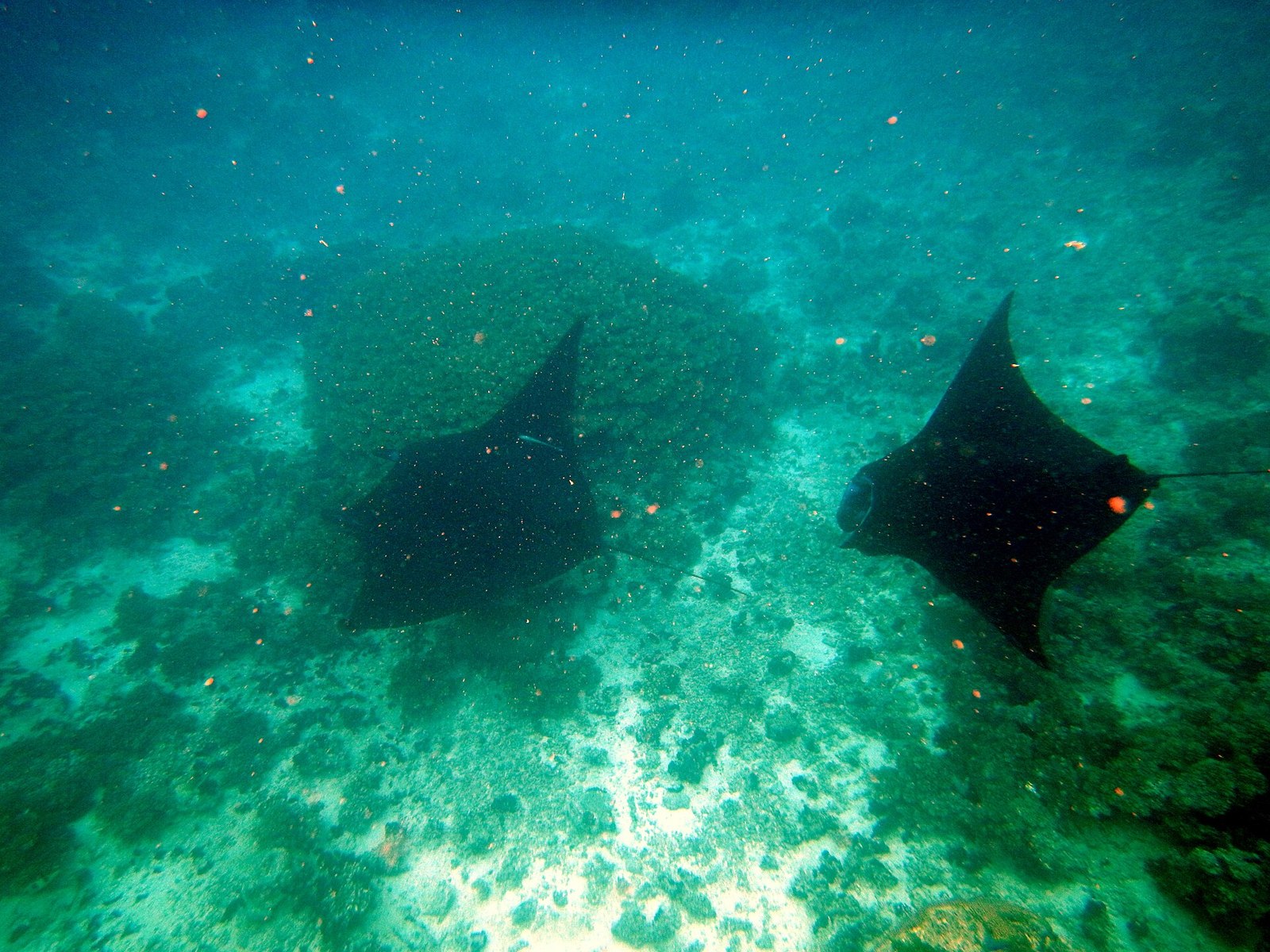

A manta can turn a simple island trip into a memorable morning, but the rest of the day still matters: your room, the food and a patch of shade when you come back from the water. In the southern Yasawas, those choices usually come down to the resort as much as the island.
This guide covers Drawaqa and Nanuya Balavu, near the manta channel by Naviti, in the southern part of the Yasawa chain. Barefoot Manta is on Drawaqa; Mantaray Island Resort is on Nanuya Balavu. Compare them as two separate island stays, each with its own rooms, meals and boat arrangements.
01
Manta snorkelling is seasonal
The usual manta window is May–October, when feeding conditions can draw the rays to the channel. The encounter is snorkelling, not a dedicated manta scuba dive. There may be no rays on your outing, even in season, so choose an island whose reef and beach days appeal too.
Barefoot Manta’s guided trip lists FJ$109 per person (about US$48), with up to six guests per guide and a minimum age of eight. It is separate from the daily resort package. The operator describes roughly 45–60 minutes for the outing. Ask about the current departure and sighting arrangements when you arrive.
Current and boat traffic make the channel unsuitable for an independent swim over from the beach. Go with the team, describe your swimming confidence and follow its positioning instructions. Give the rays space, keep hands away and avoid chasing them for a photograph. Children need to be comfortable swimming in those conditions as well as meeting the age limit.
Mantaray Island Resort also offers guided manta encounters. Ask for the excursion price and departure arrangements alongside your room quote, so you know what the wildlife outings add to the stay.
02
Barefoot Manta or Mantaray Island Resort?
Barefoot Manta suits travellers who put the reef and marine activities ahead of polished facilities. Accommodation includes simple bures and shared options, and recent visitors praise the snorkelling. September 2026 accounts also describe a long check-in wait and no hot water; one guest reported a two-day problem with the drinking-water supply. Those recent reports make it a more cautious choice if room comfort and reliable facilities are priorities.
Mantaray Island Resort offers a wider range, from a dorm and simple treehouse rooms to air-conditioned beachfront villas. The refurbished Beachfront Villas have a lounge area and sofa beds for families. The separately named Sunrise Beachfront Villas take guests aged 16 and over, so families with younger children need another category.
Mantaray’s booking terms set a 100% cancellation fee for cancellations 30 days or less before arrival. Read the room and ferry terms together before booking, and check what your travel insurance covers if weather prevents the crossing.
For families, the room’s cooling, beds and meal age bands deserve as much attention as manta proximity. For a solo snorkeller, a shared room can bring the accommodation cost down, but the compulsory daily package still applies.
03
The compulsory meals change the budget
On these small resort islands, the meal package is a substantial part of the trip cost. You won’t have a mainland-style street of restaurants to choose from, and the compulsory package is charged alongside the room. Include it when comparing a dorm bed with a private bure.
Barefoot Manta’s daily package is FJ$167 per adult aged 13+ (about US$74) and FJ$84 per child aged 5–12 (US$37). It includes three meals and listed activities such as guided reef snorkelling, snorkelling equipment and kayaks; the manta excursion is extra. Departure-day lunch is another FJ$48 adult / FJ$24 child. Menus range from buffet meals to fish, coconut flavours and other island dishes. Recent reports of meal quality and waiting times are mixed, which matters when most of your dining will be here.
Mantaray’s meal package lists FJ$184 per adult per night (about US$82) and FJ$76 per child aged 4–12 (US$34), with an extra lunch at FJ$38 (US$17) where needed. May–September 2026 visitors speak more favourably about the variety and meals. Those reports give Mantaray an advantage to consider if dinner is an important part of your island trip.
For two adults spending four nights, the listed compulsory packages alone come to FJ$1,336 at Barefoot or FJ$1,472 at Mantaray (about US$594 or US$654). These calculations exclude the room, transfers, drinks, manta trips and any extra lunches. They show why the cheapest-looking room is only the beginning of the comparison.

04
Scuba, reefs and the quieter hours
Both resorts advertise scuba diving, with introductory and certification options. For your first scuba experience, ask for an introductory programme; a certification course needs its full training schedule and enough time before your flight. For certified diving, discuss the reefs and depths that fit your experience. Some wreck and reef sites involve deeper water. Manta snorkelling remains a separate outing.
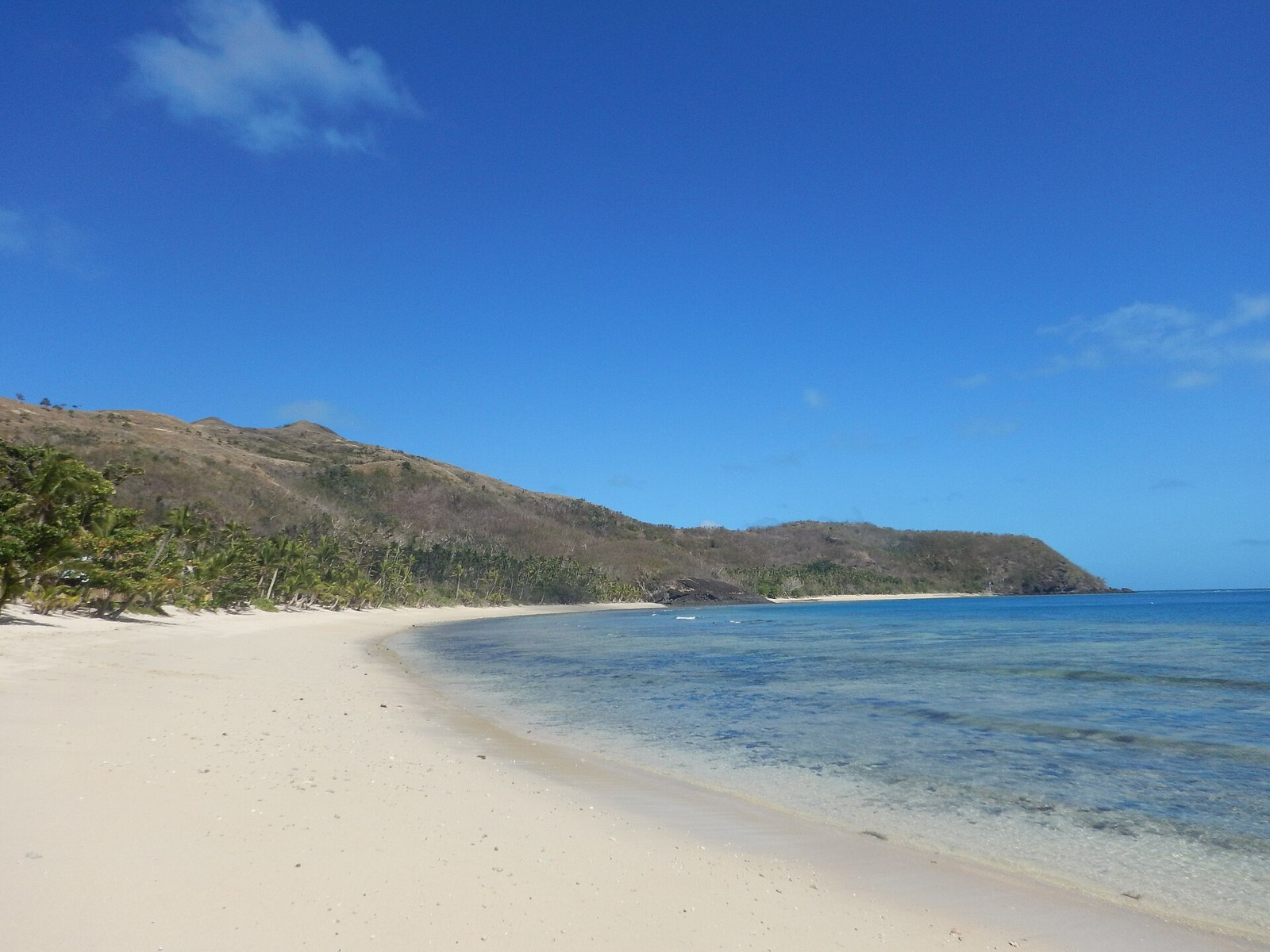
Between boat outings, kayaking, a guided reef snorkel and time on the beach give you other ways to enjoy the island. Ask the team which swimming areas suit the day’s conditions before heading out on your own.
A resort-arranged village visit can add an afternoon beyond the beach. Let the hosts explain the welcome and local customs; cover shoulders and knees and ask before photographing people. Sawa-i-Lau caves, farther north in the Yasawa chain, need a separate travel plan.
Barefoot’s Marine Science Centre has monitored local mantas since 2013. That ongoing work gives the island another point of interest alongside its seasonal snorkelling.
05
The ferry is part of the trip
The usual arrival is from Port Denarau, reached by road from Nadi. Resorts use a tender to meet the main ferry, so confirm the stop and final handover for your property.
Barefoot’s transfer page lists the Yasawa Flyer at 08:45, reaching its stop around 11:30. The published adult fare checked in October is FJ$236 each way plus a FJ$25 fuel surcharge (about US$116 together). Confirm the carrier’s fare and operating day for your trip before matching the ferry to your flights.
A late international arrival is a reason to spend the night near Nadi rather than expect an evening crossing. On the return, leave a mainland night before an important flight if you can: weather and tender delays can change the plan.
06
A four-night island stay
A four-night stay gives you an arrival afternoon, two possible manta mornings and a day for a reef snorkel, a kayak outing or a village visit. Keep wildlife outings flexible; if there are no rays, the beach and reef should still make the trip worthwhile. Non-swimmers need to choose the resort and room for the days ashore, since the signature channel encounter may not suit them.
May–October gives the best starting overlap of manta season and generally drier weather, without guaranteeing either sightings or calm crossings. For conventional surfing, start with the Mamanuca Islands. For a trip centred on certified scuba, compare Taveuni and Savusavu before committing to the ferry.
If you do dive here, finish early enough in the stay to leave a suitable interval before your flight. The Fiji overview explains the planning guidance and other details common to the islands.
Sources and updates
Researched remotely from public guidance, supplier information and substantive traveller accounts. Visitor evidence was read in September 2026, with targeted supplier, price and closure checks on 2 October 2026 and some additional dated reviews. No field visit, room inspection or operator safety assessment is claimed. Conditions, offers and prices can change.
Currency comparisons use a rounded October 2026 reference rate. Photographs show their stated locations and historical dates; they do not establish current room condition or wildlife availability.