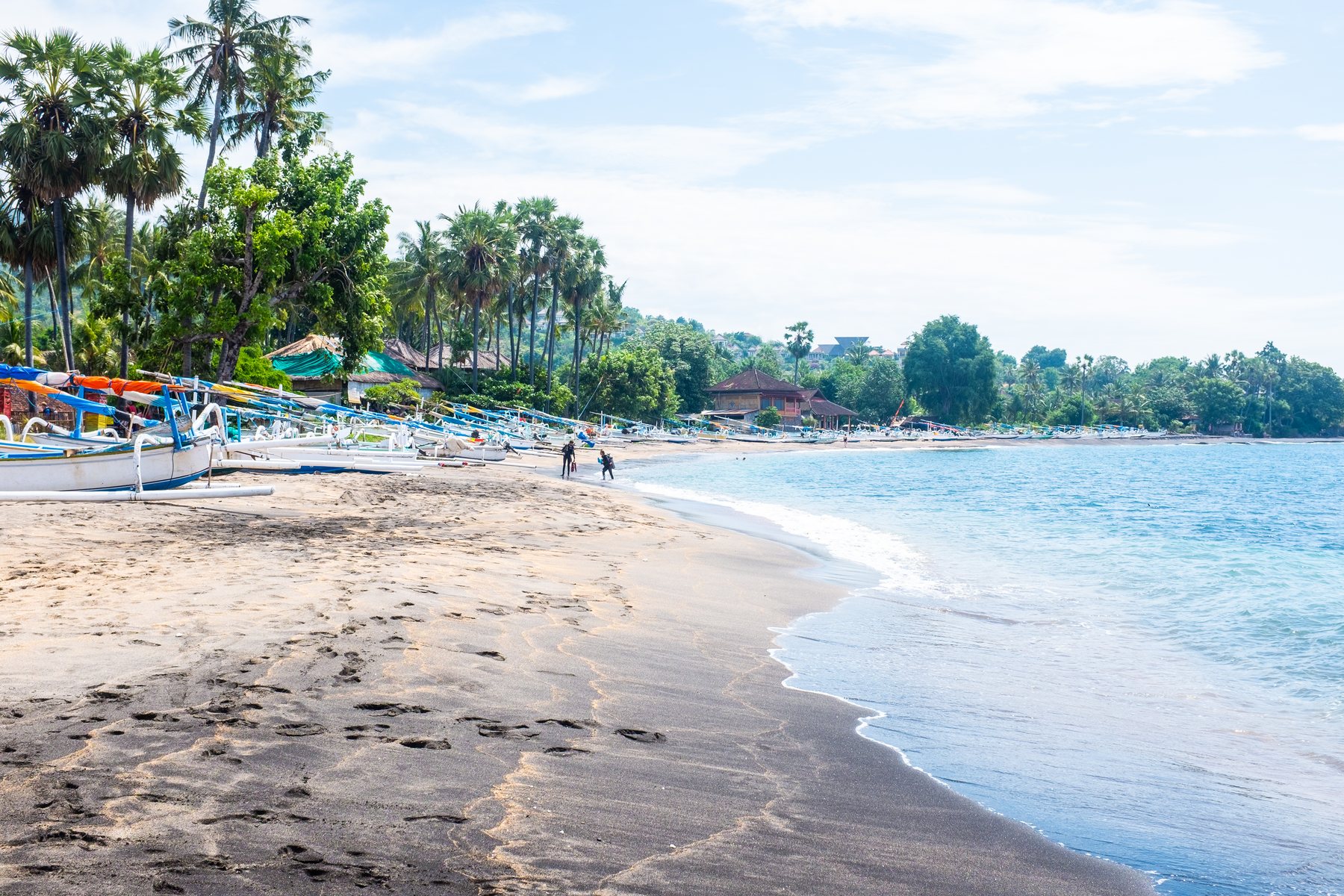

Choose Tulamben if you want the USAT Liberty wreck to be the centre of your stay. The shore entry puts a coral-covered wartime ship close to the village, with uneven pebbles and shore break to negotiate. Choose Amed for a longer coastal stay: fishing bays, snorkelling options and meals along the road give non-diving companions more ways to spend the day.
This is Bali's shore-diving coast in the most literal sense. Tulamben puts the Liberty within a short walk and shore entry of your room. Neighbouring Amed gives you a broader trip with coral coves, beachfront dining and quiet coastal evenings. There is no conventional surfing along this east-facing coastline, which sits in the swell shadow of the main island, so surfers should plan to split their trip with Canggu or the Bukit.
01
Tulamben for the wreck; Amed for the wider trip
Tulamben: wake beside the Liberty
The USAT Liberty wreck lies roughly 40 metres offshore on a gently sloping volcanic sand bed, with its stern around five metres and its deepest sections around thirty metres. The shore entry involves stepping over rounded basalt pebbles that shift underfoot, so hard-soled dive booties are useful and your guide's entry instructions matter when shore break is running. Tulamben Wreck Divers Hotel is a dive-centric budget base with two pools, an on-site PADI dive centre and a short walk to the water entry point. If you're sensitive to noise, ask which rooms sit furthest from the main road.
Amed: reefs, snorkelling and longer evenings
Amed stretches across a series of small fishing bays connected by a winding coastal road. Jemeluk Bay offers shore-entry diving and colourful coral walls; the Japanese Wreck rests in shallow water farther along the Amed coast; and the Pyramids site provides an artificial reef teeming with macro life. Palm Garden Amed puts beach access, lush gardens, and house-reef snorkelling right outside your bungalow, though occasional road traffic and local village dogs can be heard from roadside rooms. Villa Bukit Segara in Bunutan is an upscale, tranquil oceanfront alternative, offering private terraces, fine evening dining, and sweeping views across the Lombok Strait.
02
Diving a ship that became a reef
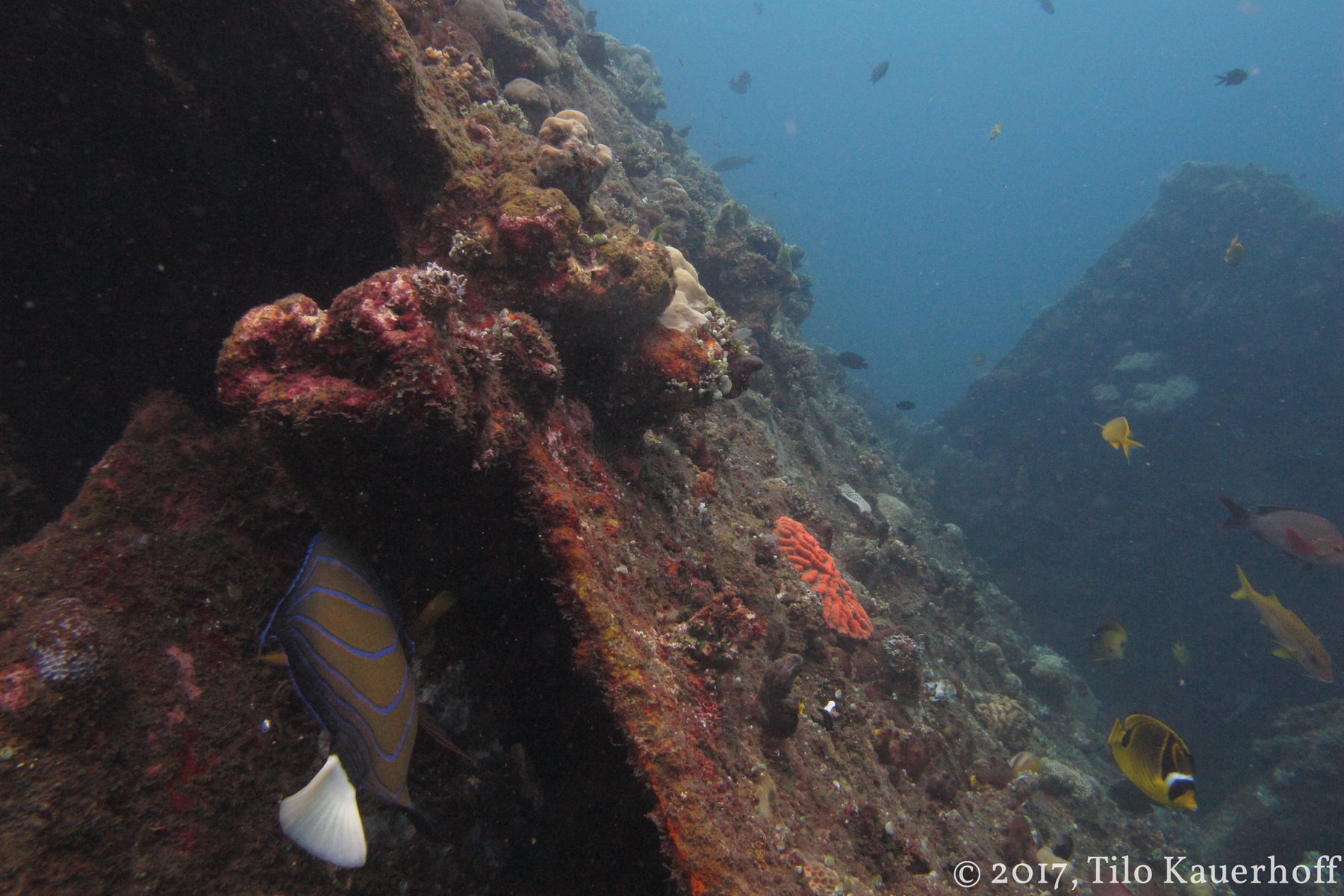
The USAT Liberty was an American army cargo ship torpedoed by a Japanese submarine in 1942. Towed toward Singaraja, it began taking on water and was beached at Tulamben. In 1963, earth tremors triggered by the eruption of Mount Agung pushed the 120-metre hull into the sea. Over six decades, the steel skeleton has transformed into a thriving coral ecosystem, home to resident schools of bumphead parrotfish, giant trevally, moray eels, and vibrant sea fans.
For guided diving, Ecodive Bali is a well-established Amed operation. Published tariffs list two shore dives at Jemeluk or the Liberty for US$75, which includes local hotel transfers, full scuba equipment, tanks, weights, and a certified dive guide. Porter fees, village entrance tickets, and parking should be confirmed upon booking.
Operators commonly use the upper sections of the Liberty and the gentler slope at Jemeluk Bay with Open Water divers when conditions and recent experience fit. Gili Selang, on Bali's eastern tip, is a different proposition, with strong currents suited to experienced drift divers. Tell your divemaster your certification, recent diving and comfort in currents before choosing the day's sites.
At Tulamben's entry points, women working through the Sekar Baruna cooperative carry scuba tanks and heavy gear down to the water, often balanced on their heads. The cooperative pools earnings and returns a share to the village, making the shore-diving routine part of the local economy rather than merely a visitor spectacle.

03
A coast that works for snorkellers too
Amed also works well for non-divers who want time in the water, but conditions still need judging on the day. Jemeluk Bay and Lipah Beach have coral gardens starting close to shore. On sheltered, glassy mornings the swimming can be straightforward, while afternoon wind chop, tidal currents and traffic from local jukungs can quickly complicate things. The shallow Japanese Wreck farther along the Amed coast sits in two to six metres of water and can be seen from the surface when the swell is low. Check the sea state and boat movements before swimming out.
04
Where to eat along Amed's long road
Galanga in Bunutan turns dinner into a garden evening, with bamboo pavilions among tropical greenery and Indonesian-influenced plates that recent guests praise for their variety and presentation. Reservations are recommended for dinner.
Warung Enak is a long-running option along the main road, serving nasi campur with rendang, sweet-soy pork (babi kecap) and a broader menu at approachable prices. Recent guests praise the value, although service can slow down when the dining room fills, so arrive at a relaxed pace.
05
Salt beds and royal water gardens
Amed's traditional sea-salt farming provides a fascinating cultural outing along the black volcanic coastline. From roughly August to November during the dry season, local salt-farming families carry seawater in buckets across cleared sand beds, filter it through mineral-rich coastal clay and evaporate the brine inside hollowed-out halves of coconut palm trunks. The result is a distinctive artisanal salt with roots in Karangasem's history. There is no admission ticket: visit respectfully and support the makers by purchasing packaged salt directly.
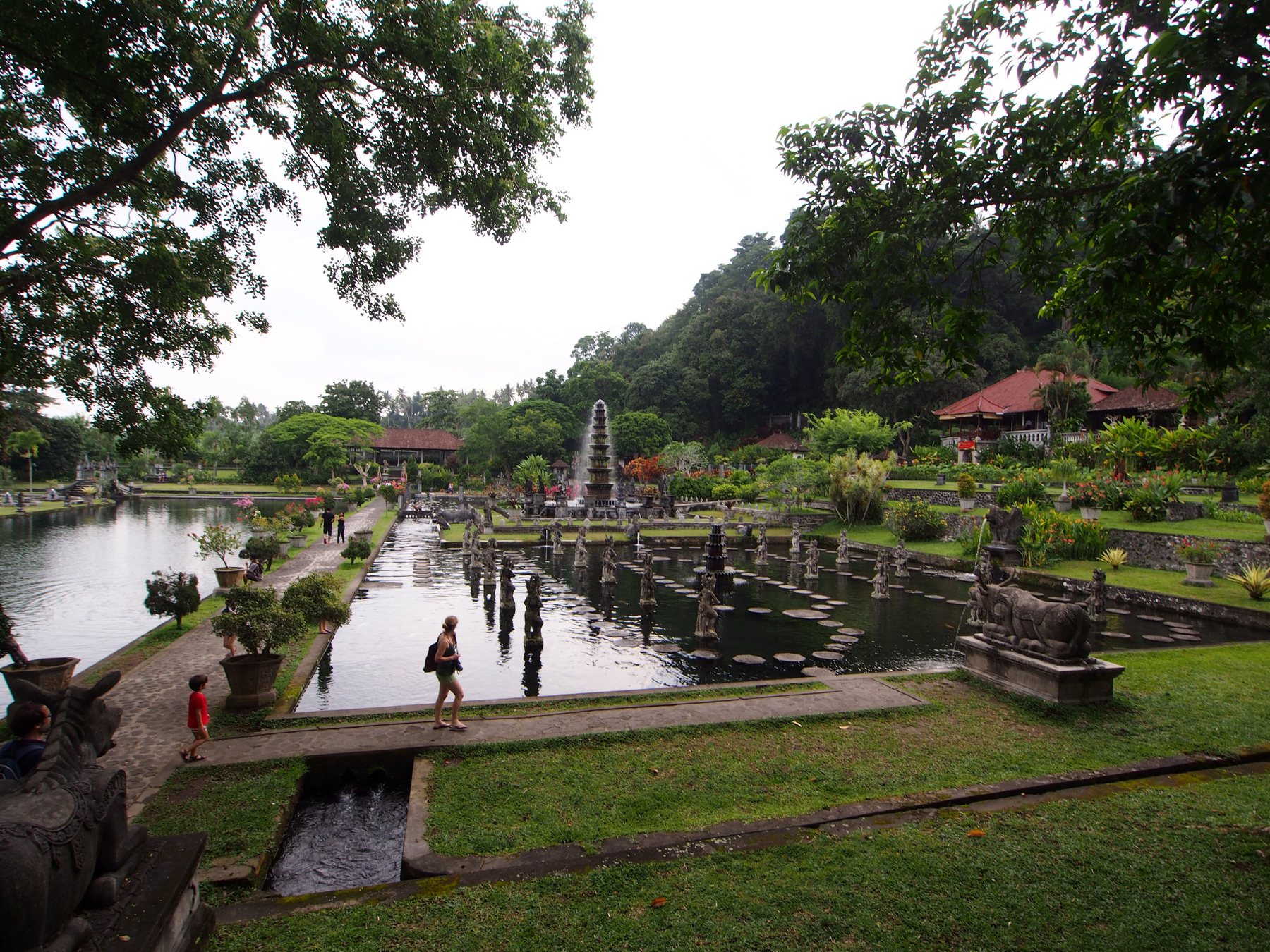
An inland drive brings you to Tirta Gangga (Water of the Ganges), a royal water palace built in 1946 by the last Raja of Karangasem and later restored after the 1963 eruption. Stepping stones cross spring-fed pools among statues and fountains, with large golden carp moving beside the paths. Foreign adult admission is IDR 90,000 (about US$5.10).

06
Getting there and when to go
This is a long transfer from Ngurah Rai International Airport, following the coast through villages and rice-growing country before reaching Amed. Ask your accommodation for a current journey estimate and arrange the transfer in advance. Once in Amed, dive operators provide pickups between your hotel and the dive sites; for exploring restaurants across neighbouring bays, rent a scooter or hire a local driver.
The dry season from May to October generally brings the most settled sea conditions and clearest underwater visibility, though morning wind chop and coastal swell can still arise. The Liberty is dived year-round, though heavier monsoon rains between December and February can temporarily reduce visibility and create stronger surface surge. Check official volcanic advisory notices for Mount Agung before your trip.
07
Costs to help you plan
| Item | Checked example |
|---|---|
| Two Amed or Liberty dives | US$75 with Ecodive, including local pickup, equipment and guide; confirm porter and entry fees. |
| Tulamben day dive | IDR 495,000 (about US$28) including equipment, porter and dive tax. |
| Night dive | IDR 570,000 (about US$32) with Tulamben Wreck Divers. |
| Tulamben room sample | US$18 for one room for two on 27–28 September 2026 (a historical example); taxes excluded. |
| Villa Bukit Segara | IDR 2,500,000–2,800,000 (about US$141–158) per night including breakfast. |
| Tirta Gangga admission | IDR 90,000 (about US$5.10) foreign adult. |
08
A four-to-six-night dive rhythm
A four-to-six-night stay lets you experience east Bali without rushing. Rise at 06:30 for a morning dive on the USAT Liberty before day-tripper buses arrive from the south, explore Jemeluk's coral walls or take a guided night dive on the wreck, and leave a coastal salt-farming visit or a meal for an afternoon ashore. Put the inland Tirta Gangga outing before your dive days. Amed is a coast that rewards slow travel: several mornings give you room for changing conditions, while bayfront meals and time ashore keep the stay from becoming only a dive schedule.
If you add scuba to the trip, leave the interval your dives require before flying or travelling to higher ground. Put inland outings before diving where possible, and plan the return with your dive team using DAN’s guidance.
Sources and updates
Details checked in September 2026 using Karangasem government information, operator pages and attributed visitor reports. We research remotely and have not personally tested these businesses.