

01
When to go
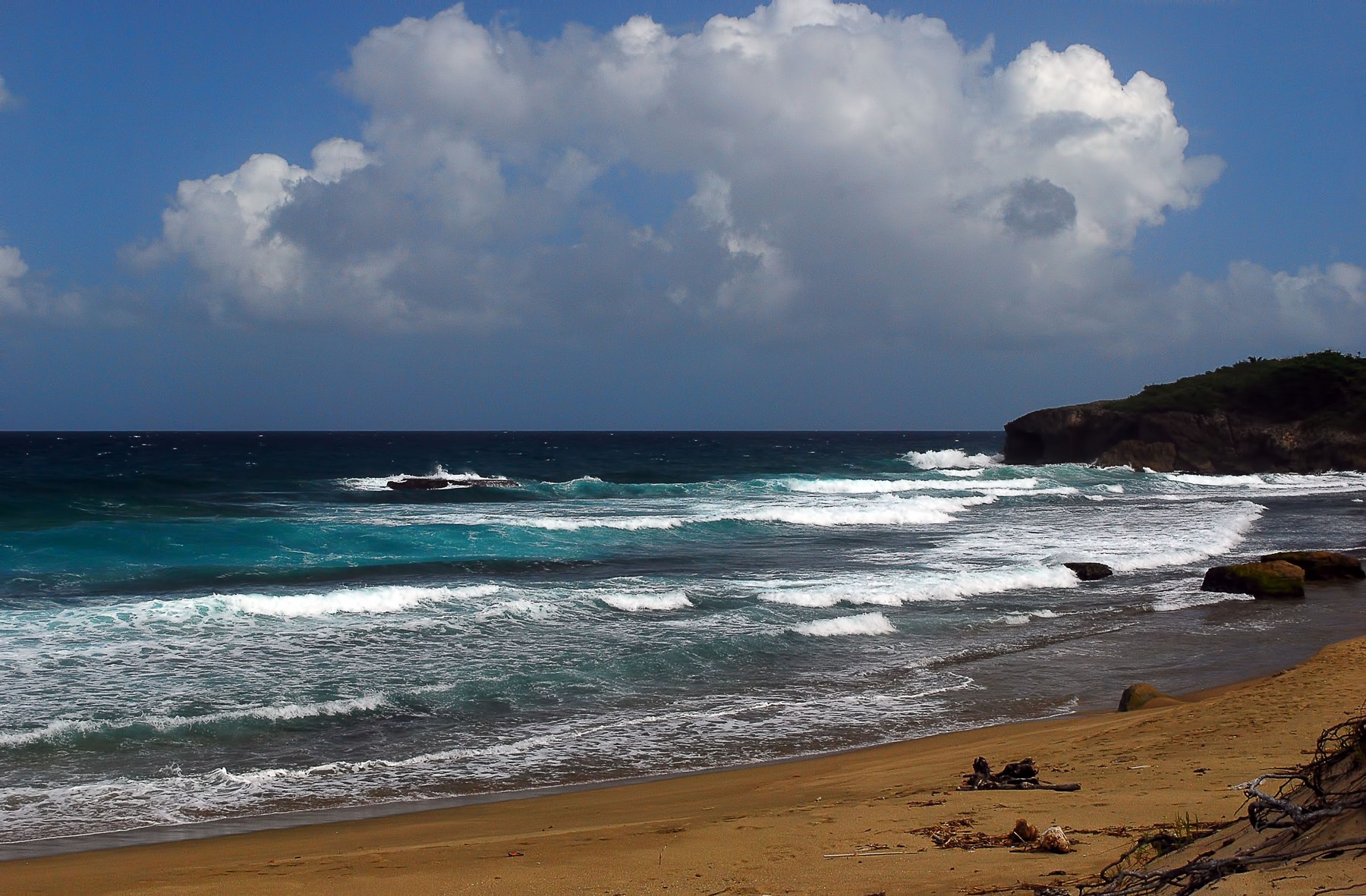
The north and west coasts generally have their better surf from October to April. Winter can be appealing for a surf trip and less comfortable for a swimmer, snorkeller or ferry passenger. Calmer spells outside the main swell season can favour reef time, but seasonal patterns don't establish safe conditions on a particular beach.
June–November is Atlantic hurricane season. Flexible bookings and a little space around ferry or offshore boat days are useful throughout the year. Check the NWS San Juan beach and marine outlook before setting out, including rip-current risk. A lagoon's bioluminescence also varies naturally: a darker night helps visibility without guaranteeing the glow you have seen in photographs.
02
Build a trip around one coast, or two
For about a week of surf, we would start with four or five nights in Rincón, then add Isabela or Aguadilla if another north-west base interests you. You can also visit the neighbouring coast by car without packing up. Keep enough mornings free to learn or follow the conditions, rather than making every day a transfer.
For an eastern reef-and-land trip, start on the mainland for El Yunque and Fajardo's boats or evening paddle, then spend three or four nights on Culebra. Do the rainforest before your scuba block. A Ceiba ferry crossing needs its own drive, check-in and island transport; it doesn't happen at the marina used by your Fajardo dive boat.
Experienced divers could give La Parguera three or four nights, then move towards the north-west for a separately arranged Desecheo trip. Agree the depth and boat-experience requirements before building the holiday around either. A companion's land day or a calm snorkel outing can run alongside the dive day without pretending both activities share the same conditions.
03
Food and a little time ashore
Make Puerto Rican cooking part of the stay. Mofongo brings mashed plantain and garlic to the plate, often with seafood or meat; tostones are fried green-plantain slices. Menus vary, so a named dish is a useful starting point rather than a script for every restaurant. Rincón Boricua is our everyday Rincón choice, Pasión por el Fogón gives a Fajardo dinner a seafood-and-mofongo focus, and Brújula's La Parguera menu includes yuca mofongo and lobster montaditos.
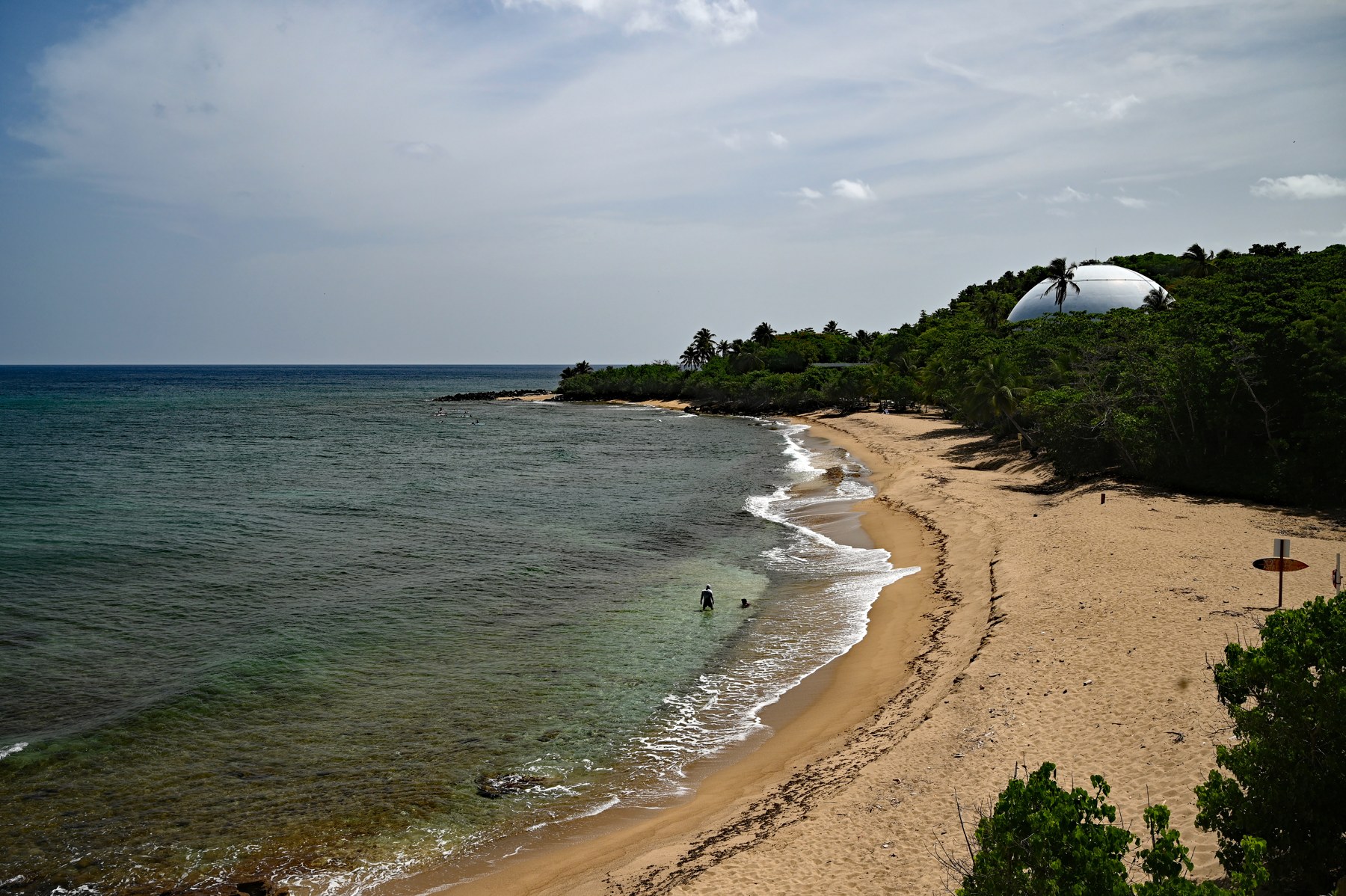
The coast also has stories beyond the activities. Domes Beach sits beside Rincón's decommissioned experimental reactor. Guajataca's railway tunnel recalls the early twentieth-century transport network, and Flamenco's old tanks speak to Culebra's military past. Give one of these short outings a place between water mornings, with current access guidance rather than an old itinerary's opening times.
04
Arrivals, money and the island crossing
Puerto Rico is a US territory, uses US dollars, and has Spanish and English in everyday travel settings. US citizens travelling directly from the United States don't need a passport; international visitors should check the applicable US entry requirements for their nationality and route. Adults taking a domestic flight still need TSA-accepted identification, such as a REAL ID-compliant licence or a passport.
SJU is the main San Juan arrival gateway. BQN in Aguadilla is useful for the north-west. A car helps link the mainland beaches, hotels and restaurants; compare the complete rental quote, including toll arrangements. San Juan's Isla Grande airport is separate from SJU, an important detail when looking at small-aircraft routes to Culebra.
The Ceiba–Culebra ferry currently publishes a US$2.25 standard adult base fare one way, with extras handled through booking. The crossing also involves the road transfer, parking and check-in, so the ticket isn't the trip's full transport cost. Visitor rental cars don't travel under the resident-owner vehicle arrangements; arrange your transport on Culebra separately.
We quote selected published operator and menu prices in each guide, with their inclusions and limits. Room rates need dates and an actual unit: a cliff-top casita, a family apartment and a small guesthouse room are different products. There is no useful single nightly average that turns them into an equal comparison.
05
Leave time after scuba
Book the final dive with the journey home in mind. DAN's guidance recommends at least 12 hours after a single no-decompression dive and 18 hours after multiple dives or successive diving days; longer intervals reduce risk, and dives requiring decompression need more conservative advice. Small island-hopper flights count too.
Put mountain drives and El Yunque walks before diving, or leave the interval appropriate to your dive and altitude plan. A beach afternoon, a town dinner and an unhurried departure can give those last hours a purpose of their own.
Sources and updates
Researched remotely from responsible public guidance, supplier information and substantive traveller accounts. September 2026 visitor research retains its original dates; supplier, price and access checks were made on 3 October 2026, with selected additional visitor accounts. No field visit, room inspection or operator safety assessment is claimed.
Prices are in US dollars. Offers, access and conditions can change; dated accommodation availability was not checked. Photographs identify their locations and historical dates and do not establish current reef condition, visitor permissions or wildlife sightings.