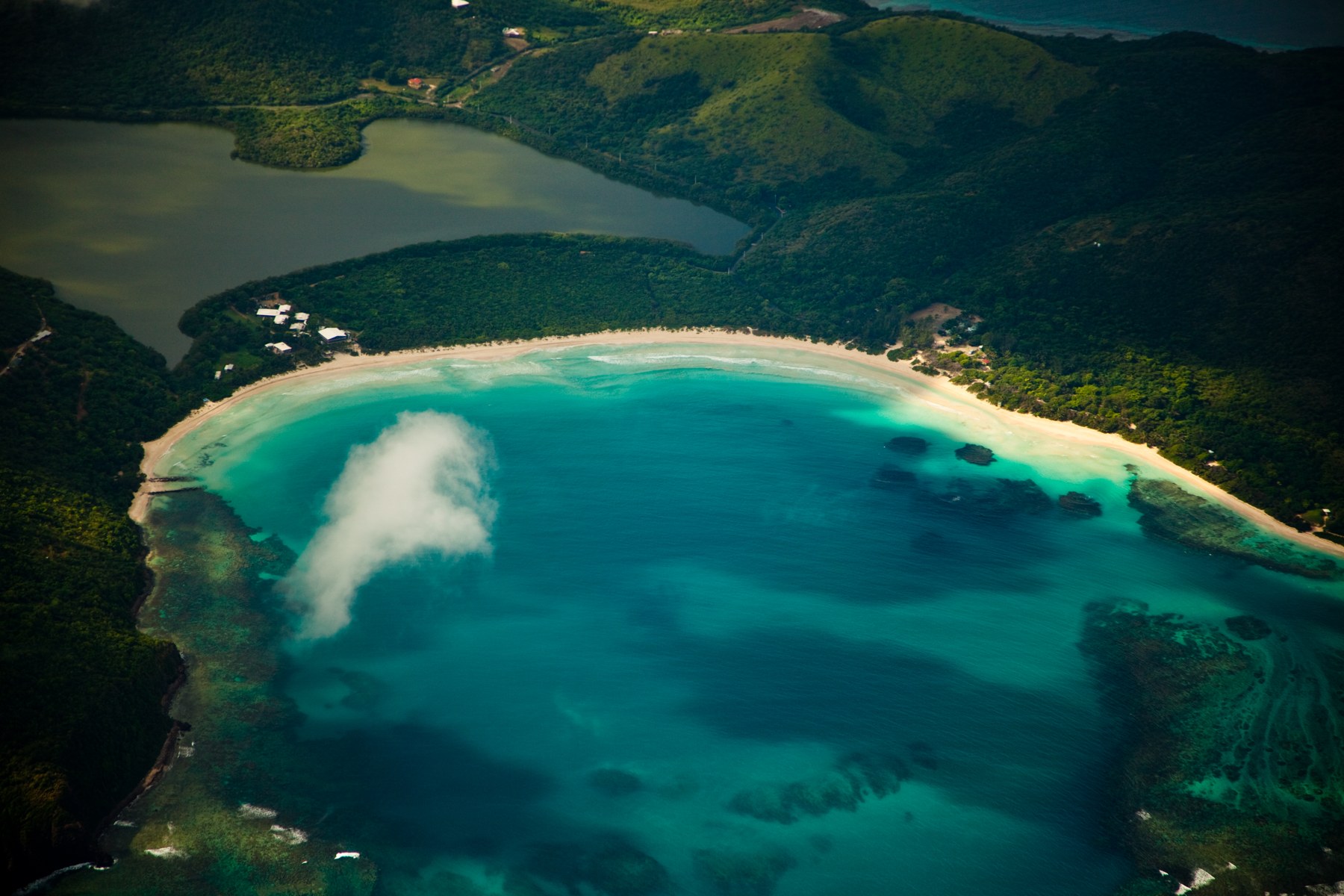

Stay on Culebra if you want reef time to shape several days, with Flamenco Beach for the long afternoons between outings. A day excursion from the mainland can introduce the coast; three or four nights give you more freedom to snorkel when the water suits, dive without rushing a connection and enjoy dinner after the day boats leave.
The choice is between beach convenience and town convenience. Dewey, the island's small town, holds the ferry arrival, restaurants and Culebra Divers. Flamenco is elsewhere on the island. A beach studio puts the sand close to your door, but it doesn't put the morning dive shop or dinner beside it. Arrange island transport around the room you actually book.
01
Put a reef morning into the stay
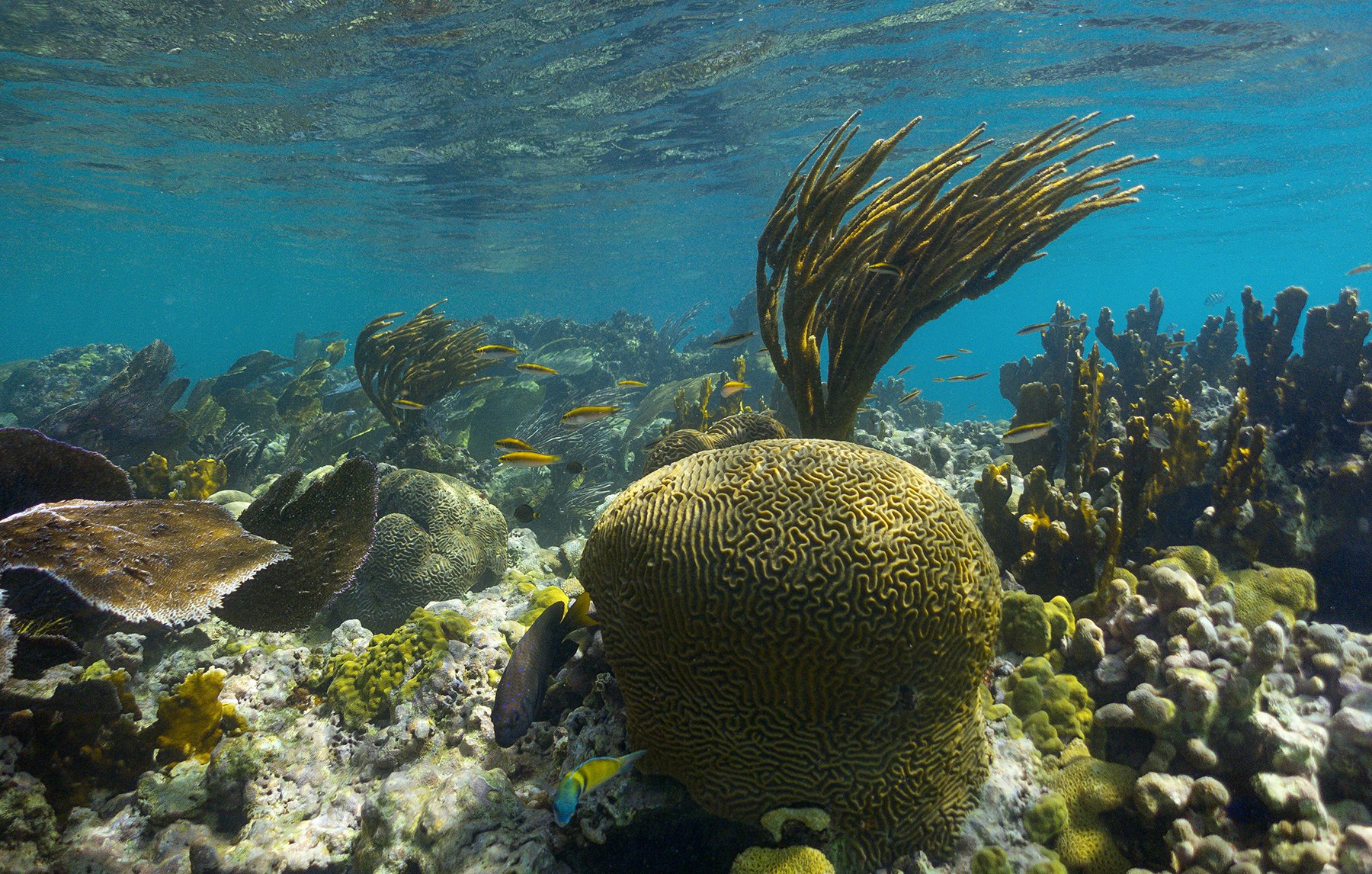
Culebra Divers is our choice for an island-based dive day. Its morning boat is for certified divers, with a maximum of six and two dives advertised at US$150 per person. Necessary equipment, tanks, water, snacks and the Luis Peña reserve fee are included; sales tax and crew gratuity are extra. Arrive at 8:30 am for the 9 am departure, with return around 1 pm, rather than a guaranteed connection time.
The attraction is an intimate reef day without a long mainland crossing. The operator describes reefs, walls and occasional wreck sites, usually with short boat legs; the team chooses the sites each morning. Traveller accounts from May–August 2026 describe the crew, training and small-group experience. They support considering the company, but cannot establish the condition of every reef you'll visit.
For a mixed group, the afternoon trip offers a different arrangement: a certified one-tank dive is US$100, the introductory Discover Scuba experience US$175, and snorkelling US$75, before tax and gratuity. Instruction and equipment are included in the introductory price. It's a good way to discuss travelling together while doing different activities, rather than assuming everyone joins the certified morning dives. Send your certification and recent experience, and ask about a tune-up if you're rusty.

02
Tamarindo and Flamenco do different jobs
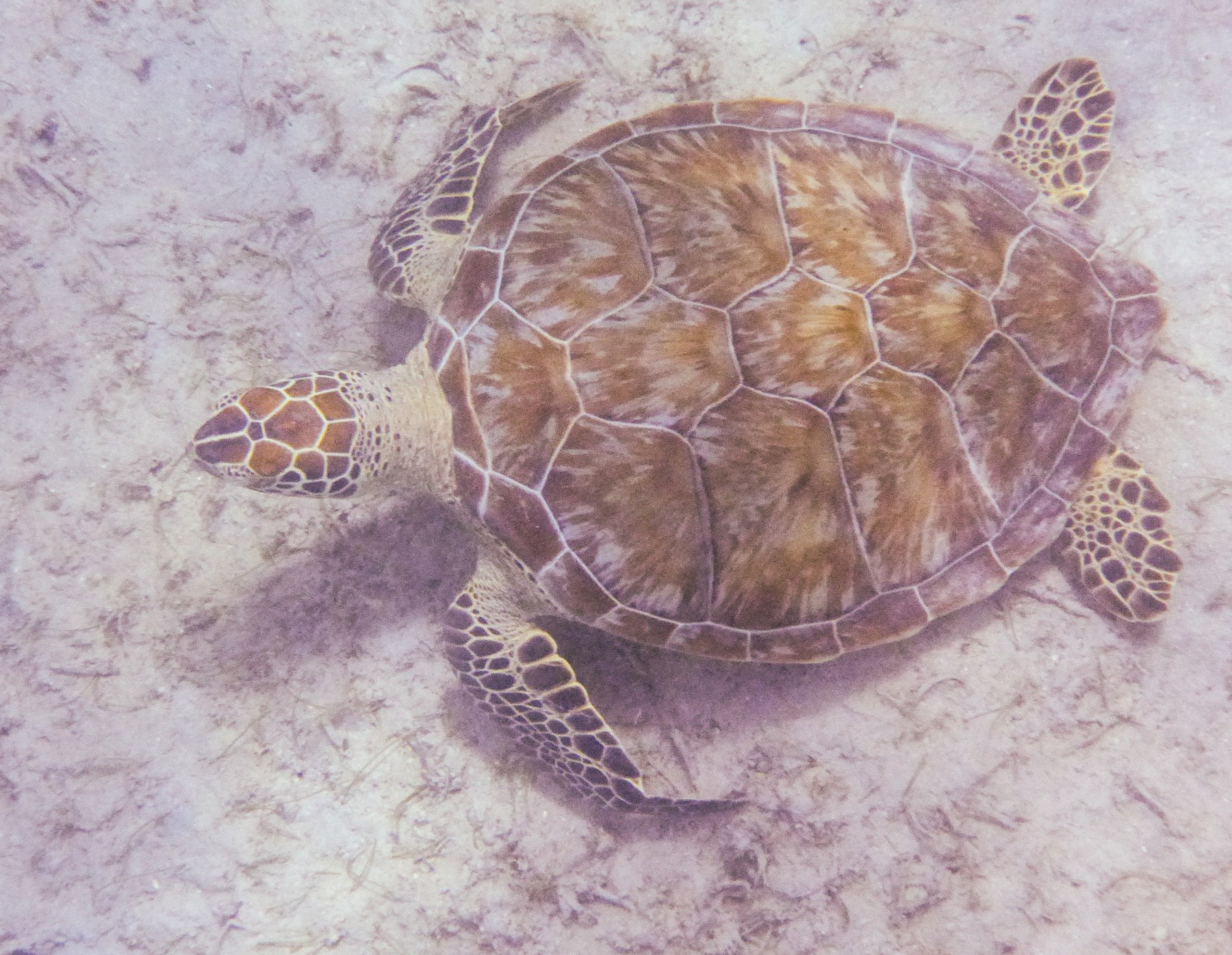
Tamarindo is the reef-and-wildlife part of a snorkel stay. Turtles are a possibility, not an appointment. Enter gently, float clear of the seabed and give an animal enough space to surface and feed without following it. Good visibility and manageable conditions matter more than arriving with a list of species to collect.
Flamenco Beach gives the trip its broad sandy bay. Make room for a beach afternoon rather than trying to turn every hour into an organised activity. Some days favour a swim, others a walk and a book; check conditions before treating the inviting colour of the water as a safety judgment. Carry drinking water and enough cash for small local purchases and any current beach charges. Check current beach access and charges before setting out.
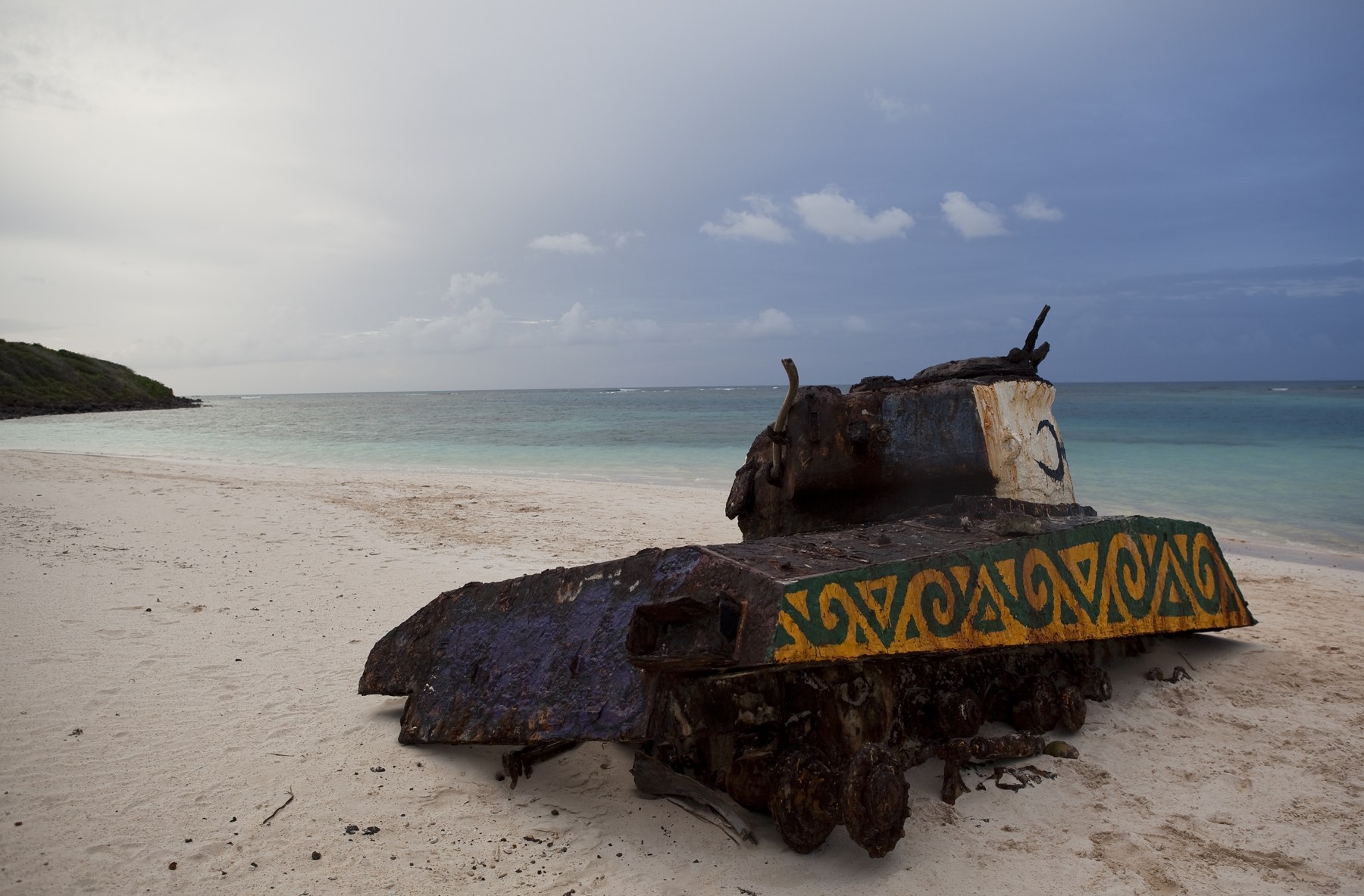
The old tanks on the sand are an arresting reminder of Culebra's military past. They add history to a beach walk, but are rusty remnants to view from a sensible distance. The US Army Corps of Engineers' Culebra information explains the ongoing work connected to former military training: respect marked restrictions, leave unfamiliar metal objects alone and stay within the visitor areas.

03
Two small stays with different advantages
Villa Flamenco Beach is the choice when proximity to Flamenco matters most. Its six simple studios have kitchen facilities, useful for breakfast and an easy meal after a beach day. Guests writing in April and August 2026 describe the hosts and location positively. Think of a modest beach apartment stay rather than a full-service resort.
The property's booking guidance sets a two-night minimum and 9% tax, and says it cannot store luggage. That matters when a ferry or flight may leave well after checkout. Arrange the departure day before building in one final long beach visit. Ask for a studio quote for your dates, including tax and cancellation terms.
Casa Resaca suits a couple who prefers a small guesthouse setting away from the main beach. The host-written listing describes three guestrooms, private bathrooms, fridges and microwaves, with a shared plunge pool. It accepts guests aged 15 and over, so it isn't the alternative for a family with younger children. The room linked here accommodates two; larger parties need their own arrangement.
One January 2026 traveller account describes the current hosts, Dave and Randy; much of the older evidence belongs to an earlier ownership period. We would consider it for the small-house atmosphere and pool, with that limited current review base in mind. You'll still need transport for Flamenco and town dinners.
04
Back to town for dinner
Dinghy Dock makes sense when the waterfront setting is part of the evening you want. It sits by the water on Fulladoza, with seafood among the choices. Recent visitor accounts like the setting and some generous meals, while others are less convinced by the cooking. We would go for an easy dockside dinner, without promising that every plate will be a highlight.
Zaco's Tacos, on Calle Pedro Márquez, is the casual alternative for fish tacos, pork dishes or nachos. An August 2026 guest describes eating there twice, and older accounts give useful detail on the tacos and carnitas. That makes it a practical town choice when a long dinner isn't what you need. Read the current menu and group service terms before ordering. Zaco's own site lists dinner from 5–9 pm, closed Wednesday, without reservations; check the opening days when planning town evenings.
A kitchen at your accommodation can make breakfasts easier, but leave space for town evenings. The island stay feels less rushed when dinner doesn't have to precede a mainland departure.

05
Getting to Culebra
The public ferry leaves Ceiba, on the eastern mainland, not Fajardo. Use the operator's actual Ceiba–Culebra schedule for your dates. The currently published standard adult base fare is US$2.25 one way, with charged extra items and any applicable additions shown through booking. It is a current base figure, not a guarantee for a future trip or the full cost of reaching the terminal.
Allow time for the drive, parking, check-in and the ferry itself. The ferry FAQ restricts vehicle transport to qualifying resident owners, so visitors should leave a mainland rental car at Ceiba and arrange transport on Culebra. A jeep, taxi or suitable island rental helps connect town, beaches and your room. Weather disruption is a reason to leave room around a major flight connection.
Flying can shorten the crossing, but compare the departure airport and baggage allowance carefully. SJU and San Juan's Isla Grande airport are different airports, and small-aircraft luggage arrangements matter with dive equipment. After scuba, an island-hopper flight still counts as flying. DAN's guidance recommends at least 12 hours after a single no-decompression dive and 18 after multiple dives or successive diving days, with longer intervals reducing risk.
06
When to go
Culebra is a snorkel-and-dive choice rather than the surf centre of this collection. Calmer weather and good visibility make the reef days more enjoyable, but no season guarantees both. June–November is the Atlantic hurricane season; winter can bring rough crossings too. Keep the beach, reef and town days movable and check the regional marine and beach outlook before setting out.
A simple stay works well: arrive and settle in, take a morning dive, give another suitable day to Tamarindo and Flamenco, then leave a relaxed day before flying. You don't need another distant excursion to make those nights worthwhile.
Sources and updates
Researched remotely from responsible public guidance, supplier information and substantive traveller accounts. September 2026 visitor research retains its original dates; supplier, price and access checks were made on 3 October 2026, with selected additional visitor accounts. No field visit, room inspection or operator safety assessment is claimed.
Prices are in US dollars. Offers, access and conditions can change; dated accommodation availability was not checked. Photographs identify their locations and historical dates and do not establish current reef condition, visitor permissions or wildlife sightings.